

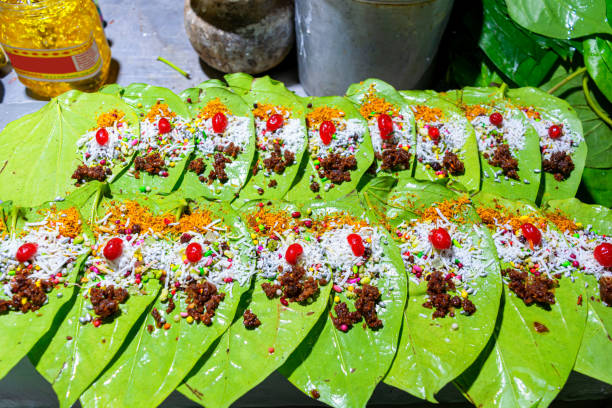
Why Is Pan Masala Consumption Continuing to Evolve Across India?
India’s pan masala industry has undergone notable changes over the past decade, influenced by shifting consumer preferences, product innovation, regional demand patterns, and evolving retail channels. While traditional formulations continue to hold a significant presence, manufacturers are increasingly introducing flavored variants, premium packaging, and diversified product offerings to appeal to a broader consumer base. These developments have helped maintain steady demand across both urban and rural areas.
According to a recent study by MarkNtel Advisors, the India pan masala industry was valued at around USD 3.52 billion in 2024 and is projected to reach approximately USD 4.26 billion by 2030, growing at a CAGR of 3.23% during 2025–2030. Such projections reflect the industry’s resilience despite regulatory scrutiny and changing consumer behaviour. Detailed insights can be found in this India Pan Masala industry report.
The Cultural Significance of Pan Masala in India
Pan masala has long been associated with social traditions and cultural practices across various regions of India. It is commonly consumed after meals and during social gatherings, making it deeply integrated into local customs. The product’s availability in numerous flavours and price points allows it to cater to a diverse consumer base spanning different income groups and geographies.
In many states, pan masala products are distributed through extensive retail networks that include neighborhood stores, kiosks, supermarkets, and convenience outlets. This widespread accessibility contributes significantly to consistent consumption patterns.
How Product Innovation Is Driving Consumer Interest
One of the most influential factors shaping industry growth is continuous product innovation. Manufacturers are introducing variants infused with cardamom, saffron, mint, and other flavor combinations to enhance consumer appeal. According to this pan masala growth analysis, flavored products account for a considerable share of overall demand, highlighting changing taste preferences among consumers.
Packaging innovations have also played a role in attracting buyers. Single-use sachets remain popular due to affordability and convenience, while premium packaging formats target consumers seeking differentiated experiences. These developments enable brands to expand their reach across multiple demographic segments.
Expanding Retail Networks and Distribution Channels
The expansion of organized retail and digital commerce platforms has improved product accessibility across India. Although traditional retail stores continue to dominate sales, modern trade outlets and e-commerce channels are gradually increasing their contribution.
The rapid growth of India’s retail ecosystem has strengthened product visibility and distribution efficiency. According to the Government of India’s Department for Promotion of Industry and Internal Trade (DPIIT), retail modernization and increasing consumer spending continue to support growth across fast-moving consumer goods categories. Such developments indirectly benefit pan masala manufacturers by improving market penetration and supply chain reach.
Rising Disposable Income and Lifestyle Changes
India’s expanding middle-class population and increasing disposable incomes have influenced purchasing habits across several consumer product categories. Data from the World Bank indicates that rising household consumption expenditure continues to contribute to broader consumer goods demand patterns.
As consumers gain greater purchasing power, many become more willing to explore premium and flavored products. This trend has encouraged manufacturers to diversify their portfolios and introduce higher-value offerings. The industry is witnessing rapid transformation, and this industry growth trends report highlights how premiumization is becoming an important strategic focus.
The Growing Popularity of Flavored Variants
Flavored pan masala has emerged as one of the fastest-growing product categories. Ingredients such as menthol, cardamom, saffron, and aromatic herbs help create distinctive taste profiles that appeal to younger adult consumers.
Industry observations indicate that flavored products account for roughly 38% of total demand, reflecting consumer interest in enhanced sensory experiences. Manufacturers continue investing in research and development activities to create innovative formulations while maintaining product quality and consistency.
Regulatory Environment and Industry Adaptation
The pan masala industry operates within a complex regulatory framework involving food safety standards, packaging requirements, and advertising regulations. Agencies such as the Food Safety and Standards Authority of India establish guidelines governing ingredients, labeling practices, and product compliance.
Manufacturers have adapted by strengthening quality-control measures, enhancing transparency in labeling, and aligning operations with evolving regulatory requirements. Compliance efforts are becoming increasingly important as consumers place greater emphasis on product quality and safety standards.
Future Outlook: What Lies Ahead?
The future of India’s pan masala industry will likely be shaped by product diversification, premiumization, technological improvements in manufacturing, and evolving consumer preferences. Increasing urbanization, expanding retail infrastructure, and broader access to organized distribution networks are expected to support gradual growth over the coming years.
At the same time, companies will need to navigate regulatory developments and changing consumer expectations. According to a MarkNtel Advisors report, the sector is expected to maintain steady expansion through 2030, supported by innovation-led strategies and continued demand across key regions.
Conclusion
India’s pan masala industry remains an important segment of the country’s consumer goods landscape. Cultural relevance, product innovation, expanding distribution networks, and changing consumer preferences continue to influence its development. As flavored products gain popularity and manufacturers focus on premium offerings, the industry is adapting to a rapidly evolving business environment while maintaining its traditional roots.
