

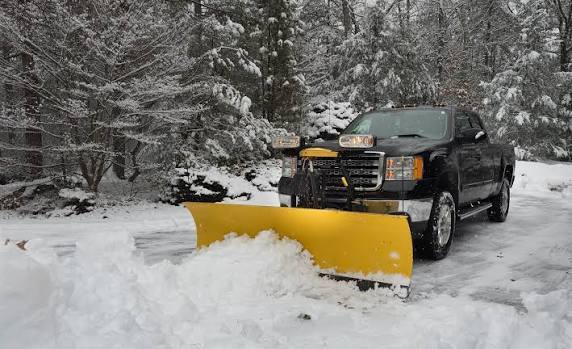
When Should You Book Snow Removal Services Before the First Storm?
You should book snow removal services at least a few weeks before the first expected snowfall, and ideally in early fall. Waiting until the first storm is forecast often means limited availability, higher prices, or no service at all.
Most people don’t think about snow removal until the weather turns. By then, the best providers are already booked, and you’re left scrambling. Timing matters more than people expect, and getting it right can save you both stress and money.
Why Early Booking Makes a Real Difference
Snow removal companies plan their entire season in advance. They look at how many properties they can handle and build routes based on that.
Once their schedule is full, they stop taking new clients or become very selective. If you call after the first snowfall warning, you are competing with everyone else who waited too long.
Booking early gives you more options. You can compare services, ask questions, and choose what actually fits your needs instead of settling.
What Happens If You Wait Too Long
Waiting sounds harmless until the first storm shows up on the forecast.
At that point, a few things tend to happen:
- Prices may go up due to demand
- Companies may only offer one-time emergency service
- You might not get service at all
Even if you do find someone, you may not be their priority. Seasonal clients usually come first, which means your driveway or property could sit covered longer than you want.
The Ideal Timeframe for Booking
The best time to book snow removal is between late summer and early fall.
This might feel early, especially if it is still warm outside. But this is when companies are organizing their schedules and offering seasonal contracts.
If you want a clear window, aim for:
- August to early October for the best availability
- Mid October to early November for last chances at seasonal plans
- After that, options become more limited
This timing gives you room to make a decision without pressure.
How Seasonal Contracts Work
Many snow removal services offer seasonal plans instead of charging per visit.
You pay a fixed price for the entire winter. In return, they handle snow clearing based on agreed conditions, such as after a certain snowfall depth.
This setup is popular because it removes uncertainty. You know your cost upfront, and you don’t have to call each time it snows.
Booking these plans early is important because companies limit how many they sell.
Signs You Should Book Even Earlier
Some situations call for getting ahead of the usual schedule.
If any of these apply to you, earlier booking is a smart move:
- You live in an area with heavy or frequent snowfall
- Your property is large or takes longer to clear
- You rely on clear access for work or business
- You have limited time to handle snow yourself
In these cases, waiting even a few extra weeks can reduce your options.
Residential vs. Commercial Timing
Homeowners and business owners often have different priorities.
For residential properties, booking in early fall is usually enough. You are mainly looking for convenience and safety.
For commercial properties, timing is stricter. Businesses often need guaranteed service to keep operations running. That means contracts are often secured earlier, sometimes by late summer.
If you manage a commercial space, it is better to treat snow removal as part of your annual planning, not a last-minute task.
What to Ask Before You Book
Booking early gives you time to ask the right questions.
You want to understand exactly what you are getting. A quick conversation can prevent confusion later in the season.
Here are a few useful things to ask:
- When do you start clearing after snowfall begins
- What depth triggers a visit
- Is de-icing included
- How many visits are covered in a seasonal plan
- What happens during heavy or back-to-back storms
Clear answers help you avoid surprises when the weather turns.
The Cost Advantage of Booking Early
Prices are not always fixed throughout the season.
Early booking can sometimes get you better rates, especially for seasonal contracts. Companies prefer securing clients ahead of time, so they may offer more stable pricing.
Waiting until peak demand often means fewer deals and more rigid pricing.
It’s not always a huge difference, but over a full winter, it can add up.
Planning Around Your Own Schedule
Think about your routine during winter.
If your mornings are busy or you travel often, relying on last-minute arrangements can be stressful. Snow doesn’t wait for a convenient time.
Booking early removes that uncertainty. You know the service is in place, and you don’t have to adjust your schedule every time it snows.
This is one of the main reasons people switch from reactive booking to planning ahead.
How Weather Trends Affect Booking Timing
Not every region follows the same pattern.
Some areas get early snowfall, sometimes as soon as October. Others don’t see much until December.
It helps to look at past winters in your area. When did the first snowfall usually happen? When did it start to feel consistent?
Use that as a guide, but don’t push it too close. Booking a few weeks before your typical first snowfall gives you a safer margin.
Choosing Between Per-Visit and Seasonal Plans
Timing also depends on the type of service you want.
Per-visit services are more flexible. You can call when needed, but availability is less predictable.
Seasonal plans require earlier commitment but give you consistent service.
If you prefer flexibility and don’t expect heavy snowfall, you might wait a bit longer. If you want reliability, earlier booking is the better route.
A Practical Way to Avoid Last-Minute Stress
One simple habit can make this easier.
Set a reminder at the end of summer to look into snow removal. You don’t have to book immediately, but start checking options.
Even a quick call or quote request gives you a sense of availability. If something feels right, you can lock it in early.
I’ve seen people reach out to Helpful Guys during early fall just to check availability and pricing. It’s a low-pressure way to understand your options before the rush starts.
What First-Time Bookers Often Miss
If this is your first time hiring residential snow removal company, a few things might not be obvious.
Service areas can be limited. Just because a company is nearby doesn’t mean they cover your exact location.
Also, response times vary. Some services prioritize certain routes, so timing depends on where you are in their schedule.
Booking early gives you the chance to clarify these details instead of guessing.
Flexibility vs. Security, Finding Your Balance
Some people prefer to stay flexible and handle things as they come. Others want everything arranged ahead of time.
There is no single right approach, but winter tends to reward planning.
If you value certainty, early booking gives you that. If you are comfortable taking a chance, you can wait longer, but you accept the risk of limited options.
Knowing your own preference makes the decision easier.
Final Thoughts and What to Do Next
The safest time to book snow removal is a few weeks before the first expected snowfall, with early fall being the ideal window. Waiting until the first storm forecast usually limits your choices and can lead to higher costs or delays.
Take a few minutes to think about your past winters. If snow removal has ever felt rushed or stressful, that is a sign to plan earlier this time.
Start checking services toward the end of summer or early fall. Ask a few questions, compare options, and book once you find a good fit. It’s a small step now that makes winter a lot easier later.
