

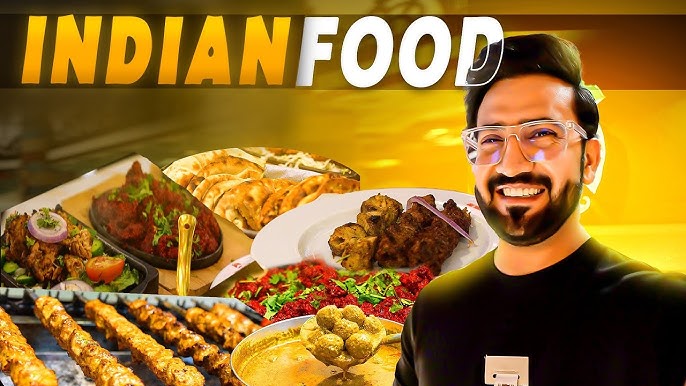
The Global Phenomenon of Indian Fast Food: Flavor, Fusion, and the Ultimate Street Food Evolution
The Global Phenomenon of Indian Fast Food: Flavor, Fusion, and the Ultimate Street Food Evolution
Indian fast food—vibrantly known across the subcontinent as chaat or street food—is undergoing a massive global transformation. What began centuries ago as localized, roadside snacks engineered for quick, affordable energy shudhrestaurant.com has evolved into a sophisticated, multi-billion-dollar culinary industry. Today, these dishes are shifting from sidewalk stalls to high-end urban food halls and standardized international chains. The secret to this explosion lies in a unique culinary philosophy: maximizing contrast. Unlike Western fast food, which often relies on a singular profile like salty or sweet, Indian fast food deliberately hits five distinct flavor notes simultaneously: sweet, spicy, tangy, salty, and sour.
The Pillars of the Indian Street Palette
To understand the mass appeal of Indian fast food, one must explore the structural anatomy of its most famous dishes. At the absolute center of this culture is Pani Puri (also known as golgappa or puchka depending on the region). This dish consists of a hollow, crisp-fried dough ball cracked open and stuffed with a mixture of mashed potatoes, chickpeas, and sprouted lentils. It is then submerged in a bath of fiery mint-coriander water and sweet tamarind chutney before being eaten whole. The resulting explosion of textures and temperature contrasts defines the entire category.
Similarly, regional heavyweights have achieved legendary status:
- Vada Pav: Often dubbed the “Mumbai Burger,” this dish features a heavily spiced, deep-fried potato dumpling nestled inside a soft, butter-toasted yeast roll, heavily smeared with dry garlic chutney.
- Pav Bhaji: A velvety, deeply spiced mash of seasonal vegetables swimming in butter, designed to be scooped up with fluffy, griddled bread.
- Chole Bhature: A heavy, indulgent Punjabi classic pairing deeply stewed, dark-spiced chickpeas with a massive, balloon-like fried leavened bread.
The Rise of Organized Chains and Global Fusion
Historically, the primary critique of Indian street food centered on hygiene and the lack of consistency. However, modern corporate chains have successfully standardized the experience without sacrificing the chaotic soul of the flavors. Industrial giants like Haldiram’s and Bikanervala revolutionized the market by introducing pristine, air-conditioned food courts utilizing reverse-osmosis water systems and automated manufacturing.
Concurrently, the diaspora has driven a massive wave of “Indo-Western” fusion fast food. Concepts like Kati Rolls (flaky, ghee-layered flatbreads wrapping tandoori grilled meats or paneer cheese) have become late-night staples in major global hubs like New York, London, and Dubai. This has paved the way for modern iterations like Naan Pizzas utilizing chicken tikka masala as a sauce base, and Masala Fries dusted heavily with tangy amchoor (mango powder) and cumin.
Ultimately, Indian fast food is moving far beyond its humble origins. It represents a masterclass in culinary texture and contrast, successfully proving that quick service does not have to mean a sacrifice in flavor complexity.
