

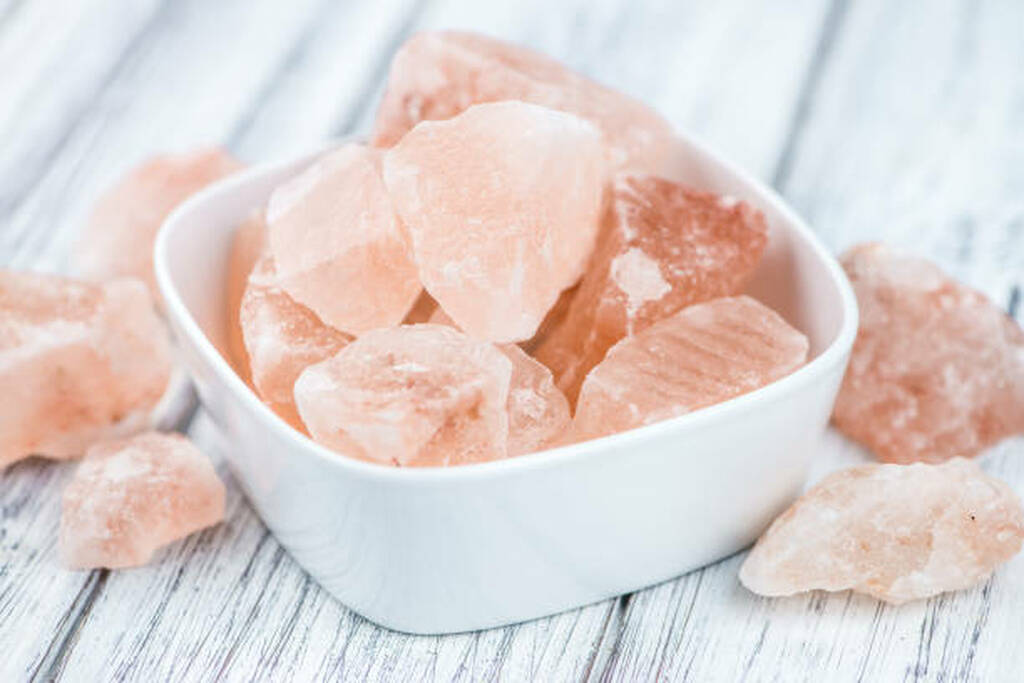
New Trends Shaping Pink Salt Production in Pakistan
Pink salt has quietly become one of the most talked-about natural resources to come out of South Asia. What was once a regional staple used mostly for cooking and preservation has turned into a globally recognized product, found in kitchens, spas, and wellness centers around the world. Behind this rise in popularity lies a shifting industry, one that is adapting to new technology, evolving consumer expectations, and growing environmental awareness. Understanding how this sector is changing offers a useful window into broader trends in natural resource production and sustainable industry practices.
This article looks at the key developments currently reshaping how pink salt is mined, processed, and brought to market, along with the challenges and opportunities that come with this evolution.
A Growing Global Demand
The appetite for pink salt has expanded well beyond its traditional culinary roots. People now use it in bath products, decorative lighting, air purification setups, and even in alternative wellness therapies. This diversification of use cases has placed new demands on the entire supply chain, pushing producers to rethink how they extract and prepare the mineral for different markets.
Shifting Consumer Preferences
Modern buyers are more informed than they were a decade ago. Many consumers now research where a product comes from, how it was processed, and whether it was sourced responsibly. This shift has encouraged greater transparency throughout the industry. Information about mining origin, processing methods, and purity levels is increasingly expected as standard, rather than treated as optional detail.
Expansion Into Niche Markets
Beyond the kitchen table, pink salt is now appearing in unexpected places. Spa and wellness centers use large salt blocks for therapeutic purposes, while interior designers incorporate salt lamps and decorative pieces into home design. This expansion into niche markets has required more specialized handling and finishing techniques, since aesthetic and decorative products often need a different level of craftsmanship compared to salt destined for food packaging.
Technological Advancements in Extraction and Processing
One of the most significant shifts in the industry has been the gradual modernization of extraction and processing methods. For much of its history, mining of this mineral relied heavily on manual labor and traditional tools passed down through generations. While this approach preserved certain artisanal qualities, it also limited output and consistency.
Mechanization of Mining Operations
In recent years, there has been a noticeable move toward mechanized equipment that can extract larger volumes more efficiently while reducing physical strain on workers. Conveyor systems, mechanical cutters, and improved ventilation technology have started to appear in larger operations, allowing for safer working conditions and more predictable output levels. This mechanization does not eliminate traditional methods entirely; in many cases, the two approaches coexist, with manual techniques still used for finer or more delicate extraction work.
Improved Purification and Quality Control
Quality control has also seen meaningful upgrades. Laboratories now test for mineral composition, moisture content, and contamination levels with greater precision than before. This matters because international markets often have strict import standards, and consistent quality testing helps ensure that exported product meets these requirements. Better purification techniques also help preserve the natural mineral content that gives the salt its distinctive color and reputed nutritional profile.
Sustainability and Environmental Considerations
As global awareness of environmental issues grows, the salt mining sector has come under increasing scrutiny regarding its ecological footprint. This has prompted a broader conversation about how extraction can be balanced with environmental stewardship.
Responsible Mining Practices
There is growing interest in mining practices that minimize land disruption and protect surrounding ecosystems. This includes more careful planning of extraction sites, controlled blasting techniques where applicable, and efforts to limit waste material left behind after mining activities. Some operations are also exploring ways to repurpose mining by-products rather than discarding them, reducing overall environmental impact.
Worker Safety and Labor Conditions
Alongside environmental concerns, labor conditions within mining communities have become a focal point of industry discussion. Improved safety equipment, better ventilation in underground tunnels, and more structured training programs are gradually being introduced. These changes reflect a broader recognition that sustainable production cannot be separated from the wellbeing of the people who carry out the physical work of extraction.
The Role of Pink Salt Manufacturers in Pakistan in Shaping the Industry
Much of the global supply of this mineral originates from a specific mountain region in Pakistan, making the country a central player in the worldwide market. pink salt manufacturers in pakistan have had to navigate a complex set of pressures, including rising international demand, evolving export regulations, and the need to modernize without abandoning traditional methods that have defined the region’s mining heritage for centuries.
Balancing Tradition With Modernization
For many operations, the challenge lies in integrating new technology while preserving techniques that have been refined over generations. Pink salt manufacturers in pakistan often operate within communities where mining knowledge has been passed down through families, and this cultural dimension adds a layer of complexity to modernization efforts. Striking a balance between efficiency and heritage has become an ongoing conversation within the sector.
Meeting International Export Standards
Exporting to international markets requires compliance with various regulatory frameworks, including food safety certifications and packaging standards specific to importing countries. Pink salt manufacturers in Pakistan have increasingly invested in meeting these requirements, recognizing that consistent compliance helps maintain access to lucrative overseas markets. This has led to closer collaboration between mining operations, regulatory bodies, and quality assurance laboratories.
Diversifying Product Lines
As global use cases for the mineral expand, many pink salt manufacturers in Pakistan have diversified beyond raw or table salt to include decorative and wellness-oriented products. This diversification reflects broader market trends and allows producers to serve multiple segments simultaneously, from culinary suppliers to wellness retailers.
Looking Ahead: What the Future Might Hold
The trajectory of this industry suggests continued evolution rather than a settled status quo. As consumer awareness grows and international standards tighten, the pressure to modernize responsibly will likely intensify. At the same time, the cultural and historical significance of traditional mining methods means that wholesale replacement of older techniques is unlikely in the near future.
Innovation Without Losing Identity
One of the more interesting dynamics to watch is how the industry manages to innovate without losing the cultural identity tied to its origins. Many of the techniques used today carry historical significance, and there is a genuine interest among industry stakeholders in preserving this heritage even as new tools and methods are adopted.
Continued Global Interest
Given the steady rise in demand across culinary, wellness, and decorative markets, it seems likely that interest in this mineral will continue to grow. This sustained attention will likely keep pressure on the industry to maintain transparency, improve sustainability practices, and uphold quality standards that meet the expectations of an increasingly informed global consumer base.
Final Thoughts
The story of pink salt production is, in many ways, a story about adaptation. From shifting consumer preferences to technological upgrades and growing environmental consciousness, the forces shaping this industry are diverse and interconnected. As demand continues to expand into new markets and use cases, the balance between tradition and innovation will remain a defining theme. Understanding these trends offers valuable insight not just into one specific industry, but into the broader patterns of how natural resource production adapts to a changing world.
