

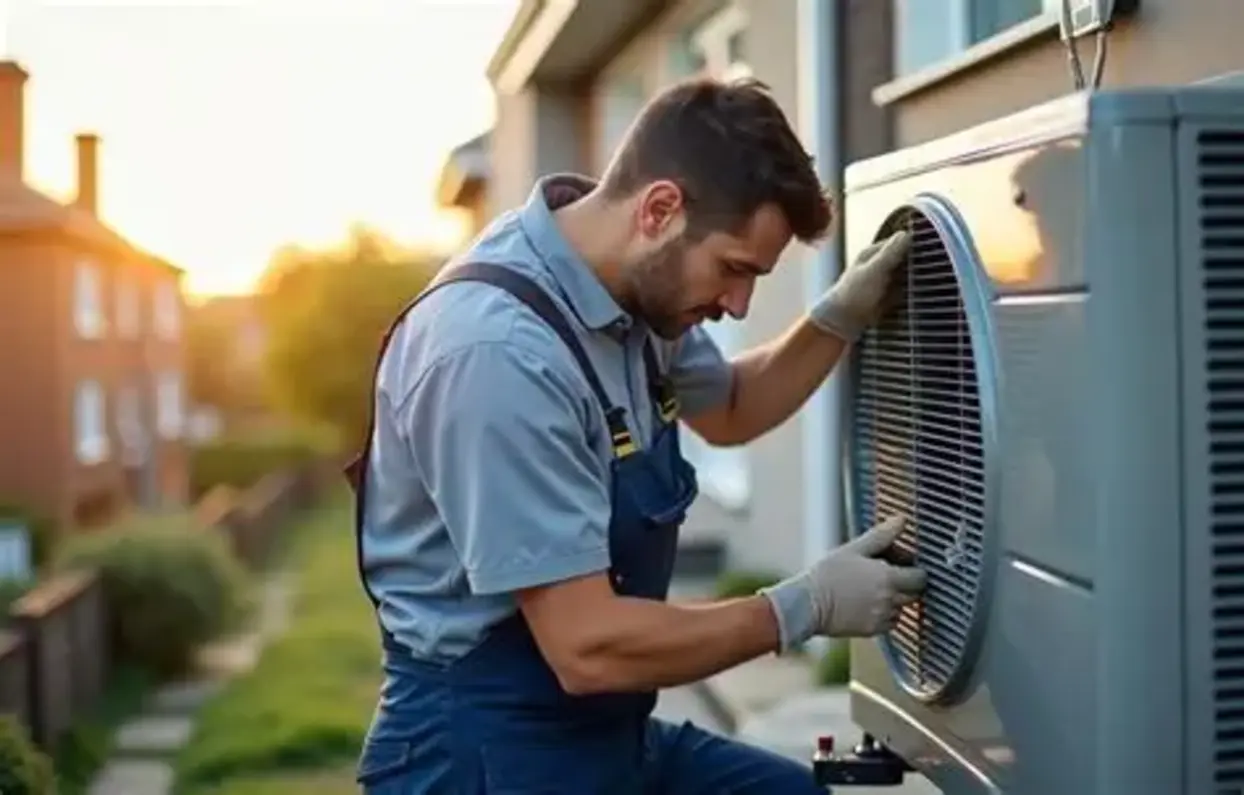
Maintaining Your AC Compressor for Long-Term Performance
An air conditioner is one of the most important systems in any home or commercial building, especially during hot weather. At the heart of this system is the AC compressor, a component responsible for circulating refrigerant and enabling the cooling process. Because the compressor works continuously whenever the air conditioner is running, proper maintenance is essential to ensure reliable performance and avoid costly repairs.
Understanding how to care for your AC compressor can help extend the lifespan of your cooling system and improve energy efficiency. Here are several practical ways to maintain your AC compressor for long-term performance.
Understanding the Role of an AC Compressor
The compressor is often referred to as the “heart” of an air conditioning system. It compresses refrigerant gas and moves it through the evaporator and condenser coils, allowing heat to be removed from indoor spaces.
When the compressor experiences excessive strain or poor operating conditions, the entire air conditioning system can suffer. Compressor replacement is often one of the most expensive HVAC repairs, making preventive maintenance a worthwhile investment.
Keep the Outdoor Unit Clean
Most residential air conditioners use an outdoor condensing unit that houses the compressor. Dirt, leaves, grass clippings, and other debris can accumulate around the unit and restrict airflow.
Restricted airflow forces the compressor to work harder than necessary, increasing wear and reducing efficiency.
To maintain proper airflow:
- Remove leaves and debris regularly.
- Trim shrubs and vegetation at least two feet away from the unit.
- Wash the condenser coils gently with water when needed.
- Avoid stacking objects near the outdoor equipment.
Keeping the area clean allows the system to reject heat efficiently and helps prevent overheating.
Replace Air Filters Regularly
Dirty air filters are one of the most common causes of air conditioning problems. When filters become clogged, airflow inside the system decreases, causing the evaporator coil to become excessively cold.
This imbalance can place additional stress on the compressor and increase energy consumption.
Depending on usage and indoor air quality conditions, air filters should generally be inspected monthly and replaced every one to three months.
Benefits of clean filters include:
- Improved airflow.
- Better indoor comfort.
- Lower energy bills.
- Reduced strain on the compressor.
- Longer equipment life.
Monitor Refrigerant Levels
The compressor relies on proper refrigerant levels to operate efficiently. Too little refrigerant can cause overheating and excessive pressure changes, while overcharging the system can also damage components.
Common signs of refrigerant problems include:
- Reduced cooling performance.
- Ice formation on coils.
- Longer operating cycles.
- Higher utility bills.
- Unusual noises.
Because refrigerant handling requires specialized equipment and certification, refrigerant issues should always be addressed by a qualified HVAC technician.
Inspect Electrical Components
Electrical problems are another major cause of compressor failure. Loose wiring, worn contactors, or failing capacitors can prevent the compressor from starting properly or cause it to cycle irregularly.
Warning signs may include:
- Clicking sounds.
- Frequent breaker trips.
- Difficulty starting the unit.
- Intermittent cooling.
Routine inspections help identify these issues before they lead to serious damage. A technician can safely test electrical components and replace worn parts when necessary.
Prevent Overheating
Heat is one of the biggest enemies of any compressor. Excessive temperatures can shorten the life of internal components and eventually lead to complete failure.
To reduce overheating risks:
- Keep condenser coils clean.
- Ensure unrestricted airflow around the outdoor unit.
- Avoid running the system continuously at extremely low temperature settings.
- Schedule regular maintenance inspections.
Installing adequate shade around the outdoor unit can also improve efficiency, provided airflow remains unobstructed.
Use a Programmable Thermostat
A programmable or smart thermostat helps reduce unnecessary compressor operation. Instead of running continuously throughout the day, the system can automatically adjust temperatures based on occupancy and comfort needs.
Benefits include:
- Reduced wear on the compressor.
- Lower energy consumption.
- More consistent indoor temperatures.
- Extended HVAC system lifespan.
Modern smart thermostats also provide usage reports and alerts that can help homeowners detect potential issues early.
Schedule Professional Maintenance
While homeowners can perform basic maintenance tasks, professional inspections are essential for maintaining long-term reliability.
Annual or semi-annual HVAC service typically includes:
- Cleaning condenser coils.
- Checking refrigerant levels.
- Inspecting electrical connections.
- Testing capacitors and contactors.
- Measuring system pressures.
- Evaluating compressor performance.
- Lubricating moving components when applicable.
These inspections allow technicians to identify small problems before they become major repairs.
Protect Against Power Surges
Electrical surges caused by storms, utility issues, or faulty wiring can damage sensitive compressor components.
Installing surge protection devices can provide valuable protection for the entire air conditioning system.
Whole-house surge protectors and dedicated HVAC surge protectors are increasingly popular because they help safeguard expensive equipment from unexpected voltage spikes.
Pay Attention to Warning Signs
Early detection can often prevent complete compressor failure. Homeowners should pay attention to symptoms such as:
- Warm air coming from vents.
- Loud rattling or buzzing noises.
- Hard starting or delayed startup.
- Frequent cycling.
- Rising electricity bills.
- Reduced cooling capacity.
Ignoring these warning signs can allow minor problems to develop into major compressor damage.
Avoid Delaying Repairs
Small issues rarely resolve themselves. In fact, continuing to operate a malfunctioning system often places additional stress on the compressor.
Prompt repairs can:
- Preserve system efficiency.
- Reduce utility costs.
- Prevent larger breakdowns.
- Extend equipment life.
- Minimize expensive emergency service calls.
Addressing problems early is usually far less costly than replacing a failed compressor.
Final Thoughts
Harga ac: Maintaining your AC compressor for long-term performance involves a combination of regular cleaning, filter replacement, refrigerant management, and professional inspections. Since the compressor is one of the most critical and expensive components in an air conditioning system, preventive care plays a major role in protecting your investment.
By keeping airflow unrestricted, monitoring system performance, and scheduling routine maintenance, homeowners can significantly reduce the risk of compressor failure. A well-maintained AC compressor not only delivers reliable cooling but also improves energy efficiency and helps ensure years of dependable comfort.
