

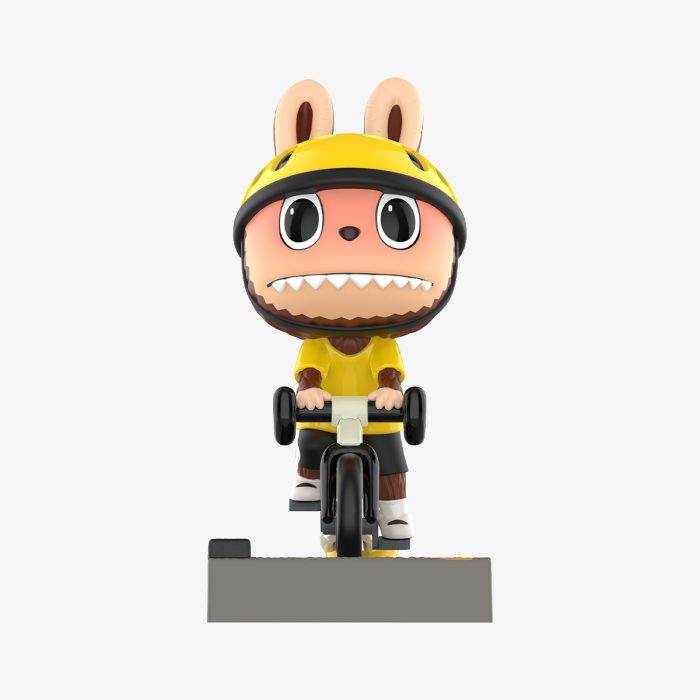
Labubu: The Mischievous Icon Redefining Designer Toy Culture
In the ever-expanding world of collectible art toys, few characters have managed to achieve the kind of cult-like recognition and emotional attachment that Labubu has inspired. At first glance, Labubu may appear like a strange, mischievous creature with exaggerated features and a slightly chaotic expression. Yet beneath that playful exterior lies a carefully crafted cultural symbol that blends fantasy storytelling, emotional expression, and modern collectible design. Labubu is not just a toy—it is a personality, a narrative fragment, and a reflection of how contemporary audiences connect with art in increasingly personal ways.
What makes Labubu particularly fascinating is how it exists at the intersection of imagination and design. It is part of a broader universe created by artist Kasing Lung, whose artistic vision blends childhood wonder with slightly eerie, fairy-tale-inspired aesthetics. Labubu belongs to the series known as The Monsters, a universe filled with whimsical yet mysterious characters that feel both innocent and otherworldly. This duality is exactly what gives Labubu its emotional depth—it is cute, but not in a conventional way; playful, but with an edge of unpredictability.
The Origins of Labubu: Where Imagination Takes Form
Labubu was born from the creative imagination of Kasing Lung, an artist known for his distinctive storytelling style that blends European fairy-tale influences with Asian artistic sensibilities. Before Labubu became a globally recognized collectible figure, it existed as an illustration—a character living in a world filled with strange creatures, magical forests, and slightly surreal emotional tones.
Unlike typical commercial character design, Labubu was not originally created for mass appeal. Instead, it emerged from a deeply personal artistic space where emotion and imagination took priority over market trends. This origin is important because it explains why Labubu feels different from many other collectible figures. It was not designed to fit into a category—it created its own.
When the character was later transformed into a physical collectible through collaboration with POP MART, it retained its original emotional complexity. POP MART’s role was not to redefine Labubu, but to bring it into the physical world while preserving its artistic identity. This collaboration helped introduce Labubu to a global audience, turning a niche illustration into a cultural phenomenon.
The Visual Identity: Cute, Chaotic, and Unpredictable
One of the most striking aspects of Labubu is its visual identity. It is instantly recognizable due to its sharp teeth, wide eyes, and mischievous grin. At first glance, these features might seem contradictory to the traditional idea of “cute” design. However, this contradiction is precisely what makes Labubu so compelling.
Labubu challenges the conventional boundaries of cuteness. Instead of soft perfection, it embraces imperfection. Its expression often feels unpredictable—somewhere between playful and chaotic. This emotional ambiguity allows people to project their own interpretations onto the character. For some, Labubu feels humorous and lighthearted. For others, it carries a sense of mystery or emotional complexity.
This layered visual language is intentional. It reflects a broader artistic philosophy where characters are not meant to be one-dimensional. Labubu is designed to feel alive in imagination, not static in definition.
The Emotional Appeal: Why People Connect with Labubu
The global popularity of Labubu cannot be explained by aesthetics alone. Its emotional appeal plays a far more significant role. In many ways, Labubu resonates with people because it reflects emotional contradictions that are deeply human—joy mixed with chaos, innocence mixed with mischief, comfort mixed with unpredictability.
Unlike traditional mascots that project a single emotion or identity, Labubu feels dynamic. It can appear playful in one design and slightly eerie in another. This emotional range allows collectors to form personal connections with different versions of the character.
For many fans, Labubu becomes more than a collectible object. It becomes a companion in imagination, a small symbolic figure that reflects mood and personality. This emotional layering is a key reason why Labubu has grown beyond niche collector circles into mainstream cultural awareness.
The Role of POP MART and the Rise of Designer Toys
The transformation of Labubu into a global collectible phenomenon is closely tied to the rise of designer toy culture, particularly through the influence of POP MART. POP MART has played a major role in popularizing blind box culture, where collectors purchase sealed boxes without knowing which specific figure they will receive.
This element of surprise adds emotional excitement to the collecting experience. It turns each purchase into a moment of anticipation, almost like opening a small mystery. Labubu, as part of this system, benefits from both its artistic uniqueness and the emotional engagement created by blind box mechanics.
However, what truly sets Labubu apart within POP MART’s lineup is its strong artistic identity. While many collectible characters are designed primarily for visual appeal, Labubu carries narrative weight. It feels like part of a larger world rather than an isolated design.
The Monsters Universe: A World of Imagination
Labubu does not exist alone. It is part of the broader universe of The Monsters, a creative world populated by strange, emotional, and often whimsical characters. Each figure in this universe contributes to a larger storytelling ecosystem that feels more like a dreamscape than a structured narrative.
Within this world, La bubu often stands out due to its expressive personality. It embodies curiosity, mischief, and emotional unpredictability. While other characters may represent calmness, sadness, or innocence, Labubu brings energy and disruption into the narrative balance.
This world-building approach allows collectors to engage not just with a single figure, but with an entire imaginative ecosystem. It encourages storytelling through display, arrangement, and personal interpretation.
Collectibility and Cultural Value
The rise of Labubu also reflects a broader cultural shift in how people perceive collectibles. In the past, toys were primarily associated with childhood. Today, designer toys like Labubu exist in a space that blends art, fashion, and cultural identity.
Collectors are not just purchasing objects—they are participating in a cultural movement. Limited releases, special editions, and collaborations contribute to a sense of rarity and value. However, beyond monetary worth, Labubu carries emotional and aesthetic value that resonates deeply with its audience.
This dual nature—artistic and collectible—positions Labubu within a unique cultural category. It is both a piece of design and a personal symbol, allowing it to transcend traditional definitions of toys.
Global Popularity and Digital Culture
Labubu’s rise has been significantly amplified by digital culture. Social media platforms have played a crucial role in spreading its popularity, allowing fans from different countries to share collections, photography, and creative displays.
Unlike traditional art forms that rely on physical galleries or exhibitions, Labubu thrives in digital spaces. Its visual appeal translates exceptionally well into photography, making it highly shareable and recognizable online. This digital presence has helped build a global community of collectors who engage with the character in creative and expressive ways.
As a result, Labubu is no longer confined to physical shelves—it exists in digital timelines, creative edits, and global fan communities.
