

Food-Safe Packaging
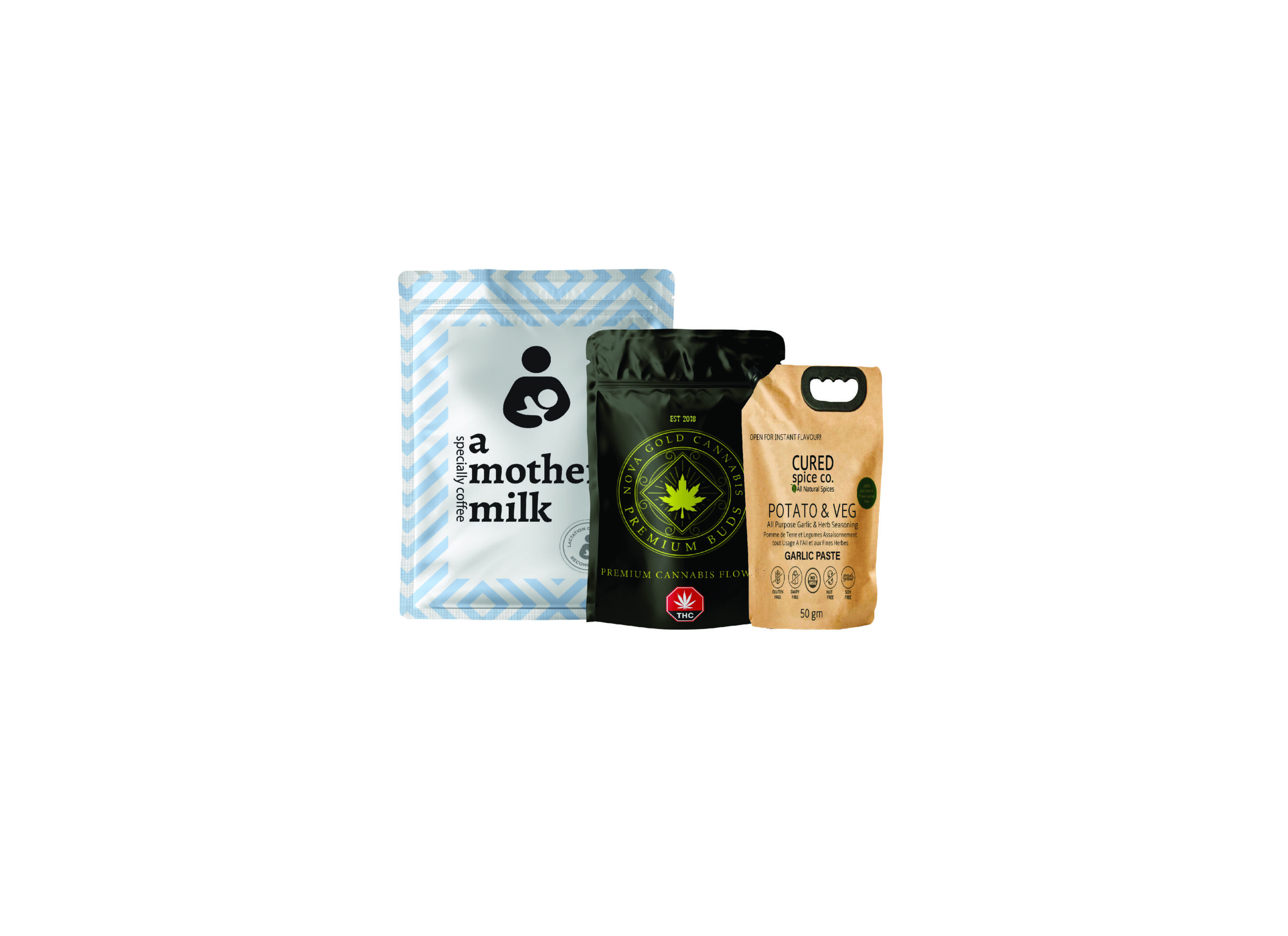
Food-safe packaging plays an important role in maintaining hygiene and quality during the storage and transportation of food items. Protection of food from external contamination, moisture exposure, and air contact is associated with packaging designs used across industries. Controlled storage conditions and safe material contact with food are part of modern packaging practices. Selection of materials is based on food type, handling conditions, and required storage duration. The safety of food during distribution is directly connected with design and quality. Awareness of packaging standards is important in food supply designs where consistency and hygiene are required from production to consumption stages.
Importance Of Food Packaging Safety
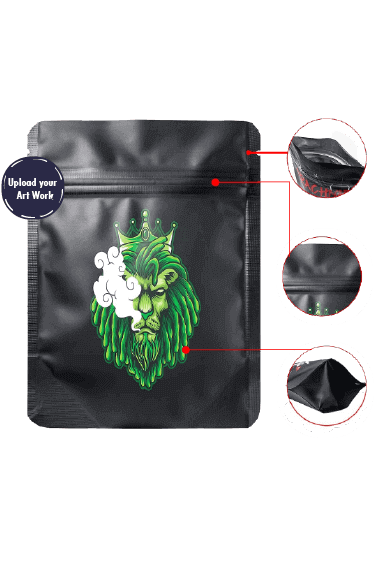
The safety of food during storage and distribution is directly related to packaging conditions and food-grade packaging material selection in industrial systems. Risk of contamination, taste changes, and quality loss is associated with improper material selection. The extended usability of food items is linked with controlled exposure to air and moisture. Preservation of food quality is one of the key reasons behind strict packaging practices in global food designs.
Key Standards For Safe Packaging
Regulatory standards for food packaging are associated with chemical stability, hygiene control, and material safety. Safe contact between packaging material and food is ensured through testing procedures defined by international and local authorities. Labeling accuracy, storage instructions, and material composition disclosure are part of compliance requirements. Consistency in packaging quality across markets is maintained through standardized guidelines applied during production stages.
Materials Used In Food Packaging
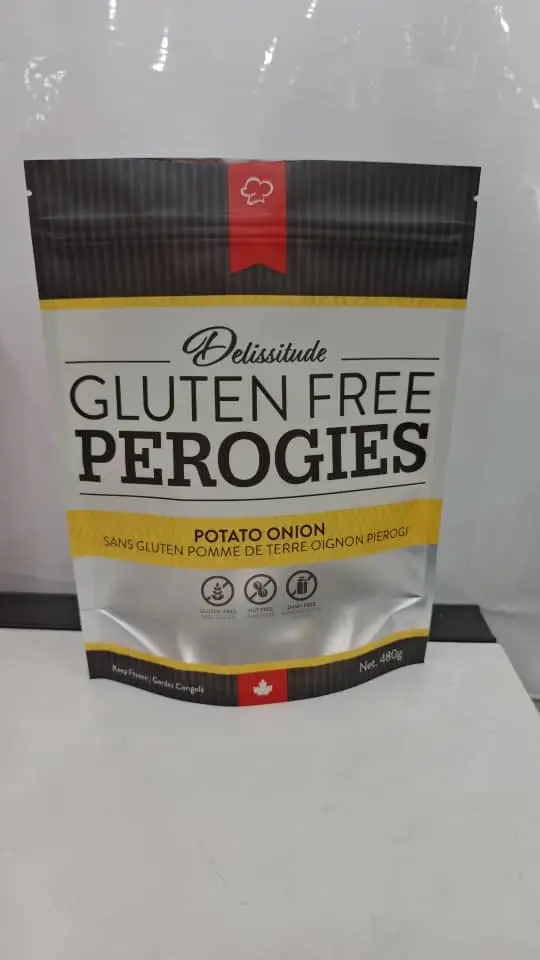
Usage of plastic-based materials are common in food storage designs where sealing and moisture control requirements are present, often supported by PET/PE structure layers in laminated systems. The application of paper and kraft materials is associated with dry food storage conditions where air circulation is required. The selection of packaging materials is based on storage requirements, food category, and transportation conditions. The stability of food during handling and distribution is influenced by material characteristics used in packaging designs.
Benefits Of Food-Safe Packaging Solutions
Hygienic control of food during storage and transport is associated with food-safe packaging designs. Reduction of food spoilage during supply chain movement is linked with controlled exposure to environmental factors. Expansion of food industries has increased reliance on packaging designs designed for controlled storage conditions, including spout pouch and zipper pouch options.
Sustainable Food Packaging Trends Today
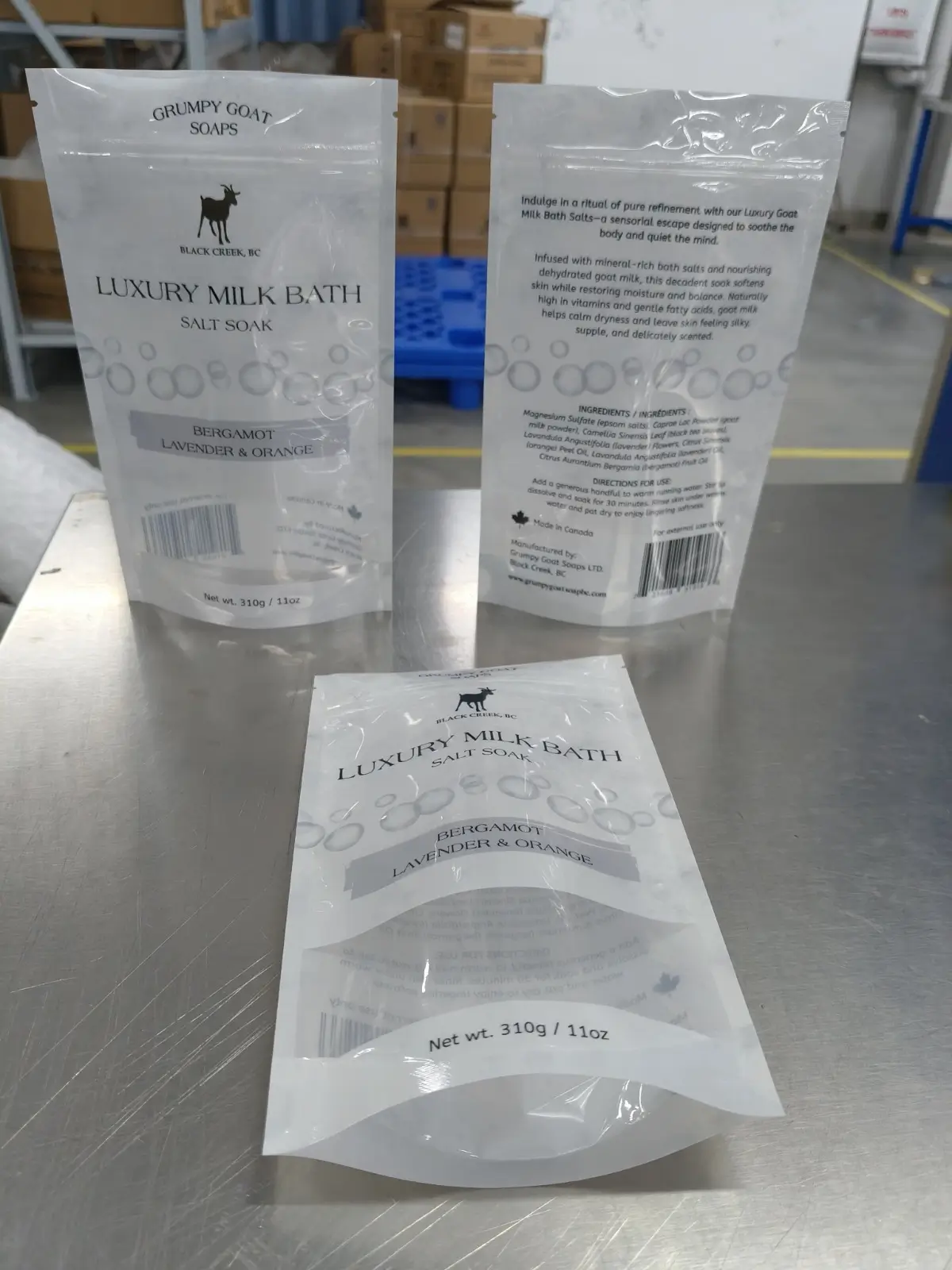
Growth in sustainable packaging practices is associated with recyclable flexible packaging and compostable packaging materials in the food industry. Reduction in environmental impact is linked with paper-based and plant-based packaging alternatives. Development of low-impact packaging solutions is part of ongoing changes in global food packaging practices.
Food Packaging Material Comparison Guide
Comparison of packaging materials is based on durability, storage capacity, and resistance to environmental factors. Suitability of plastic, glass, metal, and paper materials is determined by food category and storage conditions. Resistance to moisture, air, and temperature variation is different across material types, where barrier films and packaging laminates are commonly evaluated for performance. The selection of packaging materials is influenced by transportation distance and product sensitivity. Evaluation of material performance is important for matching packaging designs with food requirements. You can further explore detailed insights through the Food Packaging Material Comparison Guide for a better understanding by clicking here now!
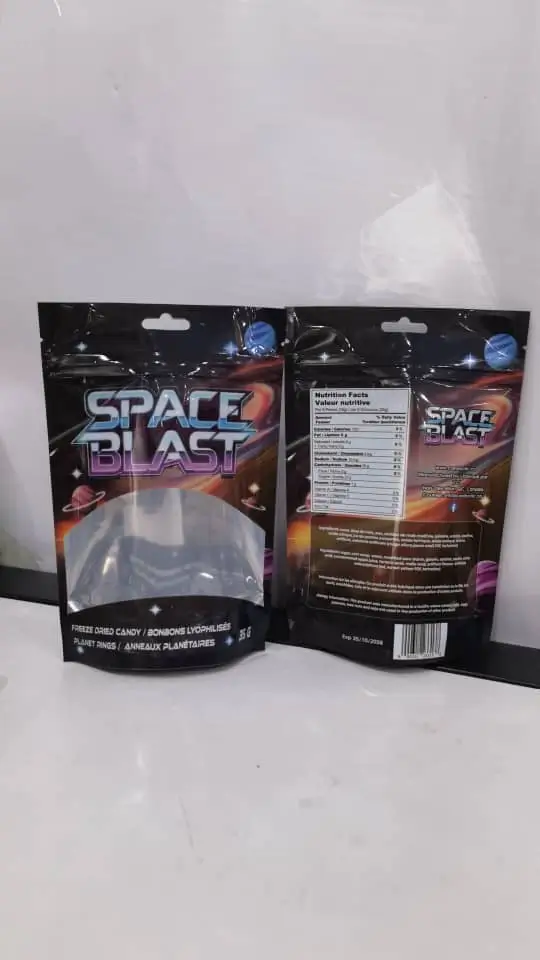
Plastic Vs Eco Packaging Materials
- Usage of plastic packaging is associated with long-term sealing and moisture resistance requirements in food distribution designs.
- Application of eco-friendly materials is linked with biodegradable behavior after disposal in natural environments, including compostable packaging options.
- Resistance to external air and moisture exposure is higher in plastic-based designs compared to paper-based alternatives.
- Decomposition characteristics of eco materials are considered in packaging selection for short-term food storage use.
The selection between plastic and eco materials is based on storage duration, product sensitivity, and environmental considerations.
Barrier Protection In Food Packaging
Resistance against air, moisture, and external contamination is associated with barrier protection in packaging designs, where moisture barrier and oxygen barrier systems are commonly applied. Multi-layer material usage is linked with improved resistance against environmental exposure. Control of oxygen and moisture interaction with food is achieved through specialized packaging layers. Maintenance of product quality during storage is connected with the barrier performance of packaging materials.
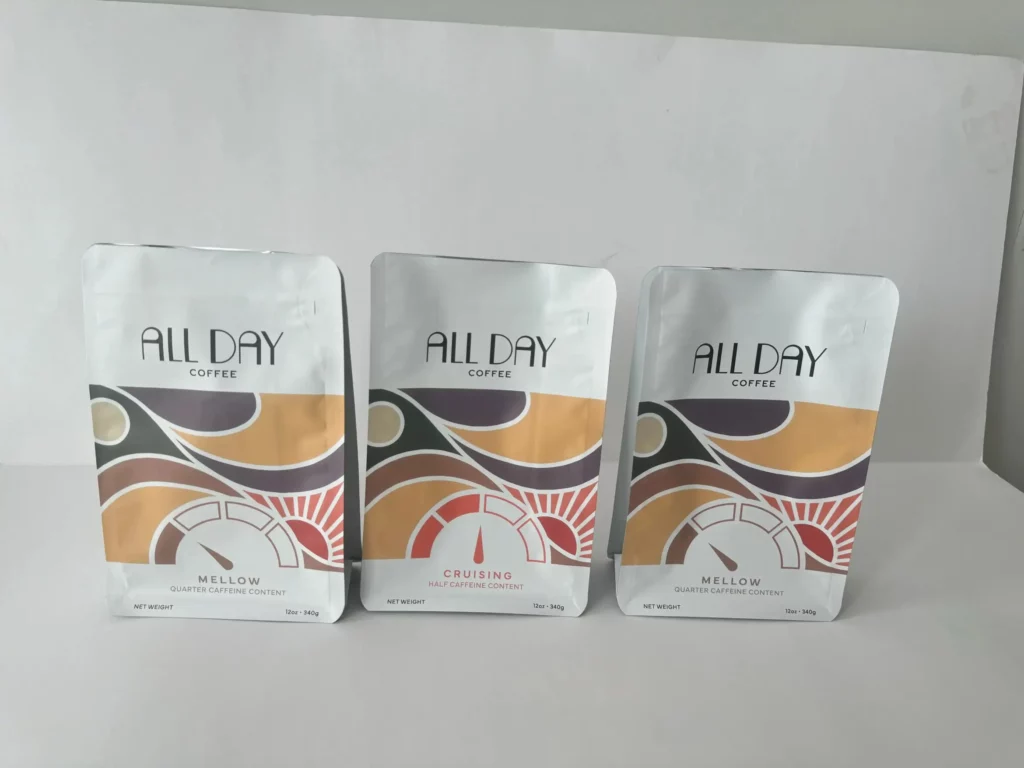
Moisture And Oxygen Control Solutions
- Reduction of moisture inside packaging designs is associated with controlled vapor-resistant materials.
- Limitation of oxygen exposure is linked with sealing strength and barrier layer application.
- Combined control of moisture and oxygen is achieved through multi-layer film structures.
- Maintenance of food stability is connected with reduced interaction between food and external air conditions.
Cost Factors In Packaging Materials
Variation in packaging cost is associated with material type, production process, and quantity requirements. Higher processing complexity is linked with increased production cost of packaging materials. Printing quality and custom printing packaging requirements are part of the overall cost structure in packaging designs, often influenced by brand packaging design choices. Budget planning in the food industry is influenced by balancing material performance and production cost.
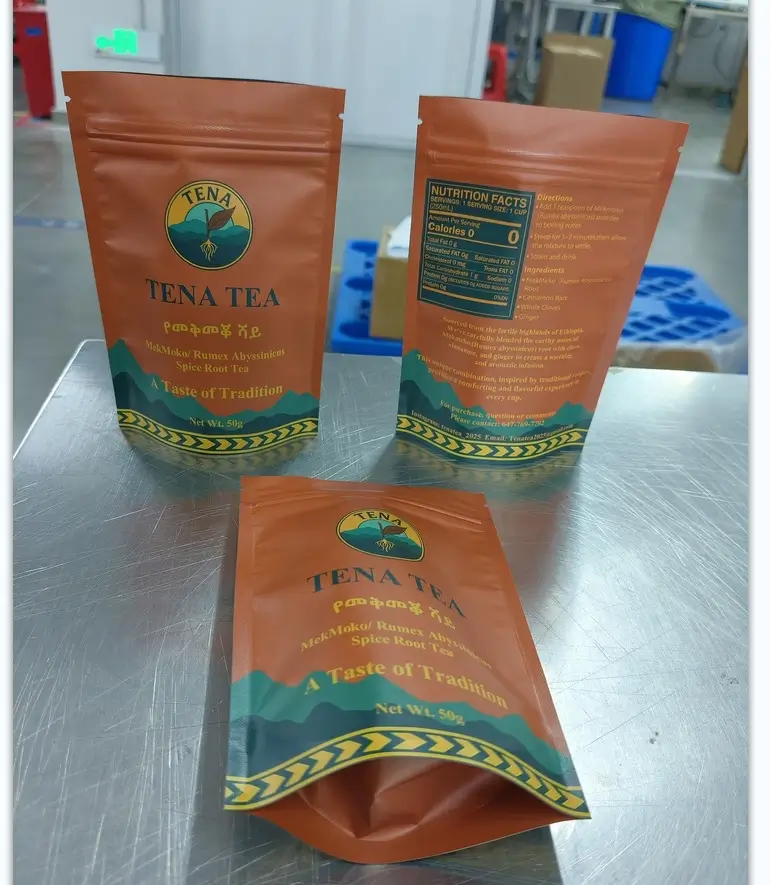
Choosing the Best Food Packaging Options
The selection of food packaging is associated with food category, storage duration, and transportation conditions. The requirement of sealing strength and material resistance is based on product sensitivity. Matching between food requirements and packaging characteristics is important in industrial packaging designs where shelf life extension packaging systems are often considered for long-term storage.
Conclusion
Food-safe packaging is directly associated with hygiene control, material selection, and storage stability of food items. Protection of food quality during production, transportation, and consumption stages is linked with packaging designs used across industries. Variation in packaging materials such as plastic, glass, metal, and paper is based on food type and storage requirements. Regulatory standards and testing procedures are important in maintaining safety and consistency in packaging designs used by Universal Packaging Canada. Growth with us within sustainable packaging trends shows continuous changes in food packaging practices. Understanding of packaging characteristics is important in maintaining food quality in modern food supply designs.
