

Exercise Strategies to Support Arthritis Care and Enhance Mobility
Arthritis affects movement, comfort, and daily routines for many people. Joint stiffness, swelling, and reduced flexibility can make simple tasks feel harder than they should. Even so, movement plays a key role in maintaining joint function and physical independence.
Exercise offers a practical way to manage symptoms while supporting long-term mobility. The right approach focuses on consistency, joint-friendly movement, and gradual progress. People who stay active often maintain better strength and range of motion compared to those who avoid activity.
A well-structured plan can support daily comfort and help individuals stay engaged in work, family life, and personal interests.
Why Movement Matters for Joint Health
Joints rely on movement to stay functional. When the body remains inactive for long periods, stiffness increases and muscles weaken. This combination can place extra pressure on joints.
Exercise helps maintain lubrication in the joints and strengthens the muscles that support them. Strong muscles absorb more impact, which reduces strain during daily activities.
Many healthcare providers include arthritis support and exercise as part of long-term care plans because movement helps maintain physical function and supports overall quality of life.
Key Benefits of Regular Movement
- Improved flexibility and range of motion
- Increased muscle strength
- Reduced joint stiffness
- Better balance and coordination
- Improved endurance
- More stable daily mobility
These benefits work together to support more comfortable movement throughout the day.
Starting With Safe and Simple Activities
People managing arthritis often benefit from starting with low-impact activities. These exercises place less pressure on joints while still promoting strength and mobility.
Walking for Daily Movement
Walking supports cardiovascular health and keeps joints active. Short, consistent walks help maintain flexibility without overloading the body. Many individuals start with brief sessions and gradually increase distance over time.
Water-Based Exercise
Water reduces pressure on joints and supports smoother movement. Swimming or gentle aquatic exercise allows the body to move freely while building strength and endurance.
Stationary Cycling
Cycling supports leg strength and improves circulation. It also reduces stress on the knees and hips compared to high-impact activities.
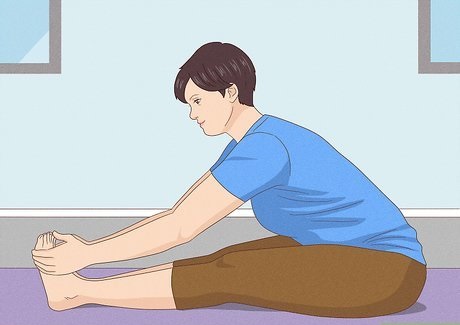
Gentle Stretching
Stretching helps maintain joint flexibility and reduces stiffness. Regular stretching routines improve comfort during daily tasks.
Building Strength Without Joint Strain
Strength training plays an important role in supporting joint stability. Strong muscles protect joints by absorbing force during movement. The key is to use controlled and safe methods.
Light resistance training works well for many people. Resistance bands, light weights, and bodyweight exercises allow gradual progress without excessive strain.
Strength Training Tips
Start With Light Resistance
Begin with low resistance levels and increase slowly as strength improves.
Focus on Control
Slow, steady movements help protect joints and improve muscle engagement.
Rest Between Sessions
Muscles recover and grow stronger during rest periods.
A balanced approach helps maintain progress while reducing the risk of discomfort.
Managing Daily Movement Challenges
Arthritis symptoms often change from day to day. Some days feel easier, while others may involve stiffness or discomfort. Adjusting activity levels helps maintain consistency without overloading the body.
On Lower-Energy Days
- Focus on gentle stretching
- Reduce workout intensity
- Shorten activity duration
- Use slow, controlled movement
On Better Days
- Increase walking distance
- Add light resistance training
- Extend mobility sessions
Flexibility in planning helps maintain long-term activity habits.
The Role of Mobility Training
Mobility exercises focus on improving the range of motion in joints. These movements help reduce stiffness and support smoother movement patterns.
Examples include:
- Shoulder rolls
- Ankle circles
- Knee extensions
- Hip rotations
- Wrist flexion and extension
Mobility training improves daily function and helps reduce movement restrictions.
Mental Benefits of Staying Active
Physical activity supports mental well-being as well as physical health. Many individuals report improved mood and reduced stress when they stay active.
Exercise helps release natural chemicals in the body that support emotional balance. It also provides structure and routine, which can improve motivation and focus.
This connection makes exercise an important part of chronic health conditions support strategies that address both physical and emotional needs.
Recovery and Rest as Part of the Plan
Recovery plays an essential role in maintaining progress. The body needs time to repair after activity, especially when managing joint conditions.
Rest does not mean inactivity. Gentle movement during recovery days helps maintain circulation and reduce stiffness.
Including recovery exercises to help you feel better supports flexibility and helps reduce muscle tightness after physical activity.
Helpful Recovery Practices
Gentle Stretching
Light stretching helps maintain flexibility and reduce stiffness.
Breathing Exercises
Slow breathing supports relaxation and reduces tension in the body.
Light Movement
Easy walking or gentle joint movement keeps the body active without strain.
Hydration and Nutrition
Proper hydration supports joint function and muscle recovery.
Building a Long-Term Exercise Routine
A successful exercise plan fits into daily life without creating stress. Consistency matters more than intensity.
Set Simple Goals
Small goals help build confidence and create steady progress.
Maintain a Schedule
Regular timing helps build habits that support long-term success.
Track Progress
Noticing improvements in movement, strength, or comfort helps maintain motivation.
Adjust as Needed
The body changes over time, so exercise plans should adapt accordingly.
Supporting Mobility Through Daily Habits
Movement outside of exercise sessions also matters. Small daily habits support joint health and mobility.
Examples of Helpful Habits
- Standing and stretching during long sitting periods
- Using proper posture during daily tasks
- Taking short walking breaks
- Avoiding long periods of inactivity
These habits reduce stiffness and support overall joint function.
Professional Support for Arthritis Care
Guidance from healthcare professionals can improve safety and results. Physical therapists and rehabilitation specialists can design programs based on individual needs and limitations.
Personalized plans help reduce discomfort while improving strength and mobility over time.
Many individuals benefit from structured programs focused on arthritis support and exercise, especially when symptoms affect daily movement and quality of life.
Conclusion
Exercise plays a powerful role in supporting joint health and improving mobility for people living with arthritis. Low-impact movement, strength training, mobility exercises, and consistent routines all contribute to better physical function. When combined with proper rest and recovery, exercise helps maintain independence and daily comfort. Building a routine that adjusts to energy levels and physical needs supports long-term progress. With steady effort and the right approach, individuals can improve movement and maintain a more active lifestyle. For ongoing guidance and rehabilitation support, Prosperity Rehab provides resources that help individuals stay active and manage joint health with confidence.
