

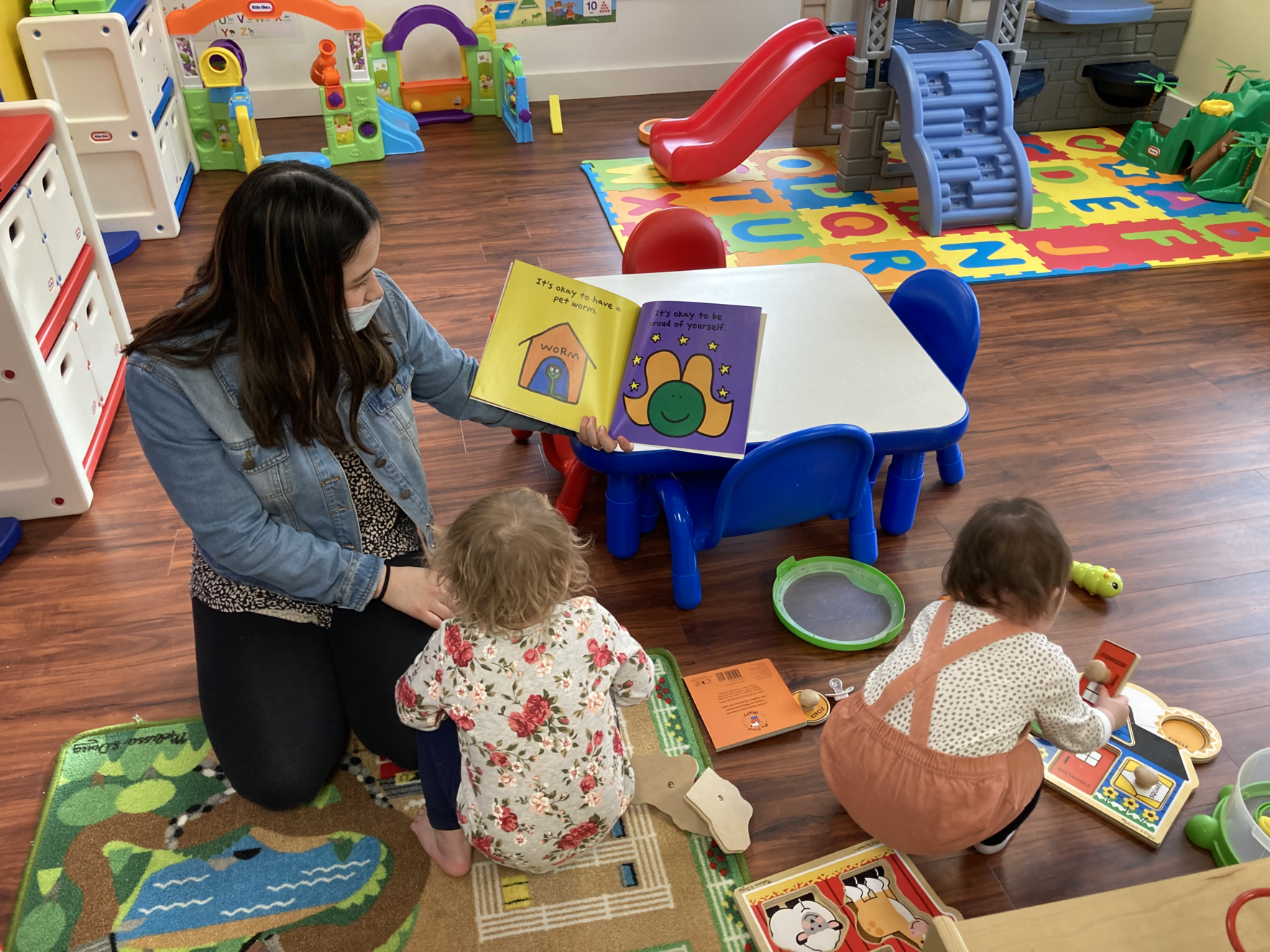
Bilingual Childcare: Building Strong Language Skills During Early Childhood
The early years of a child’s life shape how they communicate, learn, and interact with the world. Parents today are increasingly looking for educational environments that support both cognitive development and cultural awareness. Choosing bilingual childcare can help families understand how language-rich environments encourage children to become confident communicators while strengthening their overall development.
Many families worry that exposing children to two languages might create confusion or delay speech. However, decades of educational practice and classroom experience show that children are naturally equipped to learn multiple languages when they receive consistent exposure in supportive settings. Rather than creating challenges, bilingual learning often enhances problem-solving, listening, and social skills.
Whether parents speak one language at home or several, a quality bilingual childcare program creates opportunities for children to develop language naturally through everyday experiences, play, and meaningful interactions.
Understanding Bilingual Childcare and Why It Matters
Bilingual childcare is an early childhood education approach where children are regularly exposed to two languages during daily activities. Instead of relying on memorization, educators integrate both languages into routines such as storytelling, music, games, outdoor play, art projects, and group discussions.
Young children learn languages differently from adults. They absorb vocabulary, pronunciation, and sentence structure by hearing words repeatedly in real-life situations. During circle time, for example, teachers may introduce colors, numbers, and greetings in both languages. As children participate in activities, they begin connecting words with actions and objects naturally.
Beyond language development, bilingual childcare also supports cognitive flexibility. Children frequently switch between languages, strengthening their ability to focus, solve problems, and adapt to new situations. These skills often benefit them throughout their educational journey.
Another valuable advantage is cultural understanding. Exposure to different traditions, songs, celebrations, and perspectives helps children appreciate diversity from an early age. This creates empathy and encourages respectful communication with people from different backgrounds.
A Practical Strategy for Choosing the Right Bilingual Childcare Program
Selecting the right program requires more than checking whether two languages are offered. Parents should evaluate how language learning is integrated into everyday experiences.
Evaluate the Teaching Approach
Observe whether teachers use both languages naturally throughout the day instead of limiting them to scheduled lessons. Consistent exposure helps children develop confidence without feeling pressured to perform.
For instance, teachers may greet children in one language, read stories in another, and encourage conversations using both depending on the activity. This balanced approach creates authentic learning opportunities.
Review Teacher Qualifications
Experienced educators understand child development as well as bilingual teaching strategies. Ask how teachers encourage communication without forcing children to speak before they feel comfortable.
Strong educators model correct pronunciation, repeat vocabulary naturally, and respond positively when children attempt to communicate in either language.
Observe Classroom Interaction
Children learn best through engagement. During a classroom visit, notice whether students actively participate in conversations, cooperative games, and creative activities.
A healthy bilingual classroom should feel welcoming, interactive, and supportive rather than academically demanding.
Understand Family Communication
Successful language development continues outside the classroom. Quality childcare centers regularly communicate with families about vocabulary themes, classroom activities, and simple language exercises parents can practice at home.
Even families who speak only one language can reinforce learning by reading books, singing songs, or encouraging curiosity about new words.
Everyday Activities That Strengthen Language Development
Children do not become bilingual simply by listening to lessons. They learn through repeated experiences that make language meaningful.
Storytelling is one of the most effective methods. Teachers read books using expressive voices, visual cues, and interactive questions that encourage participation. Children begin recognizing repeated words and eventually use them during conversations.
Music also plays an important role. Songs with actions improve memory while introducing rhythm, pronunciation, and sentence patterns. Many children remember vocabulary from songs long before they confidently use it in conversation.
Pretend play creates another valuable opportunity. During activities like running a grocery store, visiting a doctor’s office, or preparing meals in a play kitchen, children naturally practice everyday vocabulary in realistic situations.
Outdoor activities further reinforce language learning. Teachers describe weather, plants, animals, and physical movements, giving children opportunities to connect words with real experiences rather than abstract concepts.
Common Challenges Parents May Encounter
Although bilingual childcare offers many advantages, families sometimes experience concerns during the learning process.
One common misunderstanding is expecting immediate fluency. Language development happens gradually. Some children understand both languages long before they begin speaking confidently.
Another challenge occurs when parents compare their child’s progress with siblings or classmates. Every child develops communication skills at a unique pace depending on personality, exposure, and learning style.
Inconsistent language exposure can also slow progress. If children only hear the second language occasionally, they may require additional time to build confidence. Consistency matters more than intensity.
Parents may also worry when children mix words from both languages in the same sentence. This behavior, known as code-mixing, is a normal stage of bilingual development and usually decreases as vocabulary grows in both languages.
Finally, some families unintentionally stop using their home language because they believe focusing on one language will accelerate learning. In reality, maintaining the home language strengthens family relationships and often supports overall language development.
Expert Tips for Supporting Bilingual Learning at Home
Parents do not need to be fluent in both languages to encourage successful learning. Small daily habits often have the greatest impact.
Read together every day, even if the story is available in only one language. Asking questions about pictures, characters, and events encourages conversation.
Create routines that include simple vocabulary during meals, bedtime, and playtime. Repetition helps children remember words naturally.
Celebrate curiosity rather than correcting every mistake. Children gain confidence when adults respond positively to communication attempts instead of focusing on perfect grammar.
Expose children to cultural experiences through music, traditional foods, festivals, and storytelling. Language becomes more meaningful when connected with everyday life.
Maintain regular communication with childcare educators. Sharing observations about language progress allows teachers and parents to support similar goals across both environments.
Most importantly, remain patient. Language growth rarely follows a straight path. Children may experience rapid improvement followed by periods where progress seems slower, yet consistent exposure continues building long-term skills.
Conclusion
Bilingual childcare provides far more than early language instruction. It supports communication, cognitive development, cultural understanding, and lifelong learning habits during the years when children absorb information most naturally. By choosing a well-designed program, maintaining consistent language exposure, and encouraging learning at home, families can create a strong foundation that benefits children academically, socially, and personally for years to come.
