

Best Ways to Understand Patch Support Materials and Uses
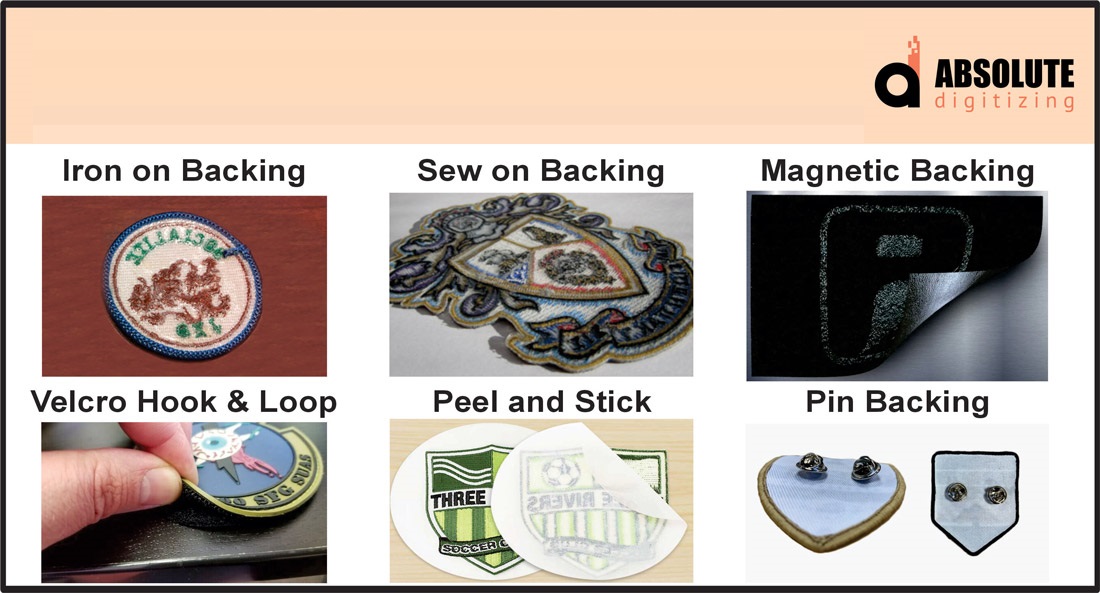
Patches are popular for shirts, hats, bags, jackets, and uniforms. They add style, show a brand, or share a message. A patch may look simple from the front, but the back side matters just as much. The backing helps the patch stay strong, flat, and easy to use.When learning about Embroidery Patch Backing Types, it is smart to know how each one works.
Some backings are made for heat press use. Others are better for sewing or hook fasteners. Picking the right one can save time, money, and effort.
Many people focus only on thread color and patch shape. That is a mistake. A poor backing can peel off, bend, or wear out too fast. A good backing helps the patch last longer and look neat.
In this guide, you will learn the best ways to understand patch support materials and how to use them. We will cover common types, real uses, and smart tips from hands-on work.
Why Patch Backing Is Important
The backing is the material placed on the rear side of a patch. It gives support and helps attach the patch to fabric or gear.
Main Jobs of a Patch Backing
Adds Strength
It keeps the patch firm and stable.
Helps With Use
Some backings make patches easy to press, sew, or remove.
Improves Shape
It helps the patch stay flat and neat.
Increases Life
The right backing helps patches last longer.
Without a good backing, even a nice patch may fail early.
Start by Knowing How the Patch Will Be Used
Before choosing any backing, ask one key question: where will the patch go?
Common Uses
- School uniforms
- Work shirts
- Sports bags
- Hats
- Jackets
- Tactical gear
- Fashion wear
Each use may need a different backing.
Example
A patch for a school bag may need strong glue or sewing. A patch for tactical gear may need hook backing so it can be changed fast.
Most Common Patch Support Materials
There are many options, but some are used more than others.
Iron-On Backing
Iron-on is one of the most popular choices.
How It Works
Heat melts the glue on the back. This bonds the patch to fabric.
Best Uses
- Shirts
- Jeans
- Tote bags
- Home craft items
Good Points
- Fast to apply
- No sewing needed
- Great for simple jobs
Things to Know
Heat may not work well on some fabrics. Wash care is also important.
Sew-On Backing
This is a classic and trusted method.
How It Works
The patch is stitched onto the item by hand or machine.
Best Uses
- Uniforms
- Work wear
- Jackets
- Heavy use items
Good Points
- Very strong hold
- Good for washing
- Long lasting
Things to Know
It takes more time than iron-on.
Hook and Loop Backing
This is often used on gear and uniforms.
How It Works
One side stays on the item. The patch has the matching side.
Best Uses
- Tactical wear
- Team gear
- Bags
- Name tags
Good Points
- Easy to remove
- Easy to swap
- Reusable
Things to Know
It may wear down after long use.
Peel and Stick Backing
This is a quick use option.
How It Works
The back has sticky glue with a peel cover.
Best Uses
- Events
- Short term use
- Crafts
- Samples
Good Points
- Very fast to use
- No tools needed
Things to Know
It is not best for long life or many washes.
Plastic Backing
Some patches use a plastic layer for shape.
Best Uses
- Badge style patches
- Structured logos
- Thick patches
Good Points
- Helps shape stay firm
- Gives clean look
Things to Know
May feel stiff on soft clothes.
How to Match Backing to Fabric
Not all fabrics act the same. This is where skill matters.
Cotton Fabric
Cotton works well with many backings.
Best Choices
- Iron-on
- Sew-on
Stretch Fabric
Stretch cloth can move a lot.
Best Choices
- Sew-on with care
- Light hook systems
Avoid heavy stiff backings when possible.
Thick Fabric
Canvas and jackets are strong.
Best Choices
- Sew-on
- Hook and loop
- Iron-on with extra press care
Think About Washing and Wear
Many buyers forget this step.
Ask These Questions
- Will the item be washed often?
- Will it face sun or rain?
- Will it rub against gear or bags?
- Is it for daily use?
If yes, choose strong options like sew-on or quality hook backing.
Iron-on may still work well, but quality and fabric matter.
Choose Based on Comfort
A patch can look great but feel bad to wear.
Why Comfort Matters
Hard or rough backing can scratch skin or feel bulky.
Better Choices for Comfort
- Soft sew-on patches
- Light iron-on patches
- Smooth finished backings
For hats or bags, comfort matters less than shirts or caps worn long hours.
Look at Patch Size and Shape
Large patches need more support than small ones.
Small Patches
Small name tags or logos may work with most backings.
Large Patches
Big back patches need strong hold and shape support.
Odd Shapes
Thin points or sharp edges may lift if glue is weak.
In those cases, sewing often works best.
Real Experience Tips from Patch Work
From real patch orders, one lesson stands out: always test one sample first.
Why Testing Helps
A backing that works on denim may fail on nylon. A glue patch may hold well indoors but not in heat.
Smart Test Plan
- Apply one patch
- Wait 24 hours
- Wash if needed
- Check edges
- Check comfort
This simple test saves money later.
Common Mistakes to Avoid
Choosing by Price Only
Cheap backing may fail fast.
Ignoring Fabric Type
Glue on heat-safe cloth is different from glue on nylon.
No Test Sample
Bulk orders without testing can lead to waste.
Picking Style Over Use
A cool option is not always the best option.
Forgetting Care Rules
Some patches need cool wash or no dryer heat.
How Businesses Choose the Right Backing
Good shops ask questions before they make patches.
They Ask:
- Where will it be used?
- How often will it be washed?
- Is it for kids or adults?
- Should it be removable?
- What fabric is it for?
This helps them guide the buyer to the right fit.
That is how trusted patch makers build strong results.
Patch Backing for Special Uses
Uniforms
Use sew-on for long life.
Fashion Jackets
Iron-on can work well, with edge sewing for extra hold.
Sports Bags
Use sew-on or hook backing.
Military or Tactical Gear
Hook and loop is often best.
Event Giveaways
Peel and stick can be useful for short use.
How to Store Patches the Right Way
Even before use, backing needs care.
Storage Tips
- Keep dry
- Keep flat
- Avoid high heat
- Keep dust away
- Do not bend glue patches too much
This helps backing stay ready to use.
Signs of Good Quality Backing
You can often spot quality fast.
Look For
- Clean edges
- Even glue layer
- Strong stitch hold
- No peeling corners
- Smooth rear finish
Good backing feels solid and neat.
Why Trusted Advice Matters
Many online guides give short answers. Real patch work needs more care. Every fabric, patch size, and use case is different.
That is why experience matters. Shops that test products and handle many orders often know what works best. They can help avoid common problems before they happen.
Final Thoughts
Understanding patch support materials is the best way to get strong and useful patches. The front design gets attention, but the back does the hard work. It holds shape, helps use, and adds life.
Choose backing based on fabric, wear, wash needs, comfort, and patch size. Iron-on is fast. Sew-on is strong. Hook backing is flexible. Peel and stick is quick. Each has a place.
If you are unsure, test one sample first. That small step can save time and cost. With the right backing, your patch will look better, stay longer, and work the way you need.
