

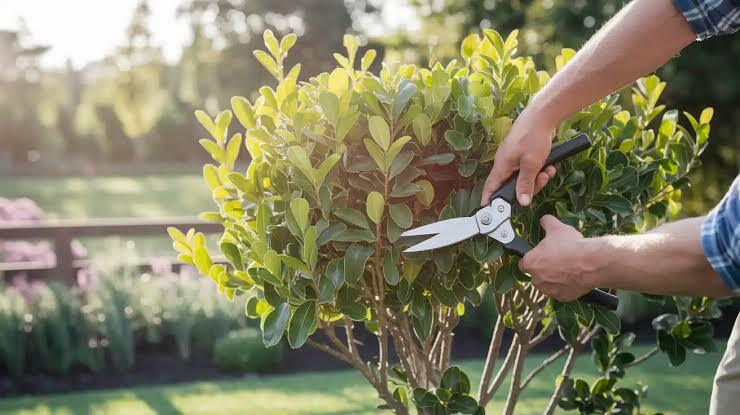
When Is the Best Time to Trim Trees at Home?
Trees make any home look more beautiful while providing shade, privacy, and cleaner air. They also increase property value and create a healthier outdoor environment. However, trees need regular care to stay healthy and safe. One of the most important parts of tree care is trimming, but many homeowners wonder when it should be done.
The best time to trim a tree depends on its type, age, health, and the reason for trimming. Knowing when to trim can improve tree health, reduce safety risks, and encourage stronger growth. Trimming at the wrong time may slow recovery or leave the tree more vulnerable to pests and disease.
This guide explains the best time to trim trees at home, what factors to consider, and how regular maintenance helps keep your trees healthy throughout the year.
Why Tree Trimming Is Important
Tree trimming is not only about improving appearance. It also helps trees stay healthy and reduces the risk of property damage.
Regular trimming helps:
- Remove dead branches
- Improve tree structure
- Encourage healthy growth
- Increase sunlight exposure
- Improve airflow
- Reduce pest problems
- Lower the risk of falling branches
Healthy trees are more likely to withstand storms and continue growing for many years.
Does Every Tree Need Trimming?
Most trees benefit from regular trimming, but not every tree follows the same schedule.
Several factors affect when trimming should be done, including:
- Tree species
- Tree age
- Overall health
- Growth rate
- Location
- Weather conditions
Some trees grow quickly and require more frequent maintenance, while others grow slowly and only need occasional trimming.
The Best Time to Trim Most Trees
For many tree species, the dormant season is the best time for trimming.
Dormancy usually occurs during late fall and winter after leaves have dropped.
During this period:
- Tree growth slows.
- Trees experience less stress.
- Branches are easier to see.
- Fresh cuts heal well when growth resumes.
Winter trimming also makes it easier to identify weak, damaged, or crossing branches.
Why Winter Is Often Recommended
Winter offers several advantages for tree maintenance.
During dormancy:
- Insects are less active.
- Many tree diseases spread more slowly.
- The tree conserves energy.
- The branch structure is clearly visible.
These conditions allow trimming to be completed with less stress on the tree.
Spring Tree Trimming
Spring is a time of rapid growth for most trees.
Light trimming may be appropriate after new growth appears.
However, heavy pruning during early spring may reduce flowering or temporarily slow growth for some species.
If trimming is needed because of broken or hazardous branches, it should not be delayed.
Summer Tree Trimming
Summer trimming is often used to manage growth.
Removing selected branches during summer may help:
- Improve shape
- Reduce overcrowding
- Remove damaged limbs
- Increase sunlight
Since trees are actively growing, excessive trimming should be avoided.
Fall Tree Trimming
Many professionals recommend limiting major trimming during early fall.
Some trees begin preparing for dormancy during this season.
Fresh cuts may take longer to heal before colder weather arrives.
However, dead or dangerous branches should always be removed whenever they are found.
Dead Branches Can Be Removed Anytime
Dead branches do not become healthier with time.
They should be removed whenever they are discovered because they may:
- Fall unexpectedly
- Spread disease
- Attract insects
- Damage property
Waiting until a particular season may increase safety risks.
Storm-Damaged Trees Need Immediate Attention
Storms often leave behind:
- Broken branches
- Hanging limbs
- Split trunks
- Damaged wood
These branches should be removed as soon as possible.
Prompt trimming reduces additional stress on the tree while improving safety.
Signs Your Trees Need Trimming
Many trees show clear signs that maintenance is needed.
Watch for:
- Dead branches
- Broken limbs
- Crowded growth
- Crossing branches
- Branches touching your roof
- Low hanging limbs
- Diseased branches
- Uneven growth
Addressing these issues early helps prevent larger problems later.
Benefits of Trimming Trees at the Right Time
Proper timing provides many advantages.
These include:
- Healthier growth
- Better branch structure
- Improved airflow
- Increased sunlight
- Reduced disease
- Fewer pest problems
- Better storm resistance
Trees that receive timely maintenance often remain healthier for many years.
How Tree Trimming Protects Your Property
Overgrown branches can cause significant property damage.
They may:
- Scratch roofs
- Break windows
- Damage gutters
- Fall on vehicles
- Block driveways
- Interfere with utility lines
Regular trimming helps reduce these risks while improving safety around your home.
How Often Should Trees Be Trimmed?
There is no single schedule for every tree.
Generally:
- Young trees benefit from more frequent shaping.
- Mature trees usually need periodic maintenance.
- Fast-growing species may require trimming more often.
Regular inspections help determine the best schedule for your landscape.
Can Too Much Trimming Harm a Tree?
Yes.
Removing too many branches at one time places unnecessary stress on the tree.
Excessive trimming may:
- Slow growth
- Reduce energy production
- Increase disease risk
- Weaken branch structure
The goal is to remove only branches that improve the tree’s health and safety.
Trees Near Homes May Need More Frequent Attention
Trees growing close to buildings require careful monitoring.
Branches hanging over roofs, driveways, or patios should be inspected regularly.
Keeping trees properly trimmed helps protect:
- Homes
- Garages
- Vehicles
- Outdoor seating areas
- Walkways
- Fences
Regular maintenance reduces the chance of unexpected damage.
Preparing Trees for Storm Season
Before storm season arrives, it is a good idea to inspect trees for weak or damaged branches.
Removing these branches ahead of time helps reduce:
- Falling limbs
- Roof damage
- Broken fences
- Power line interference
Healthy trees are generally better prepared to handle severe weather.
Tips for Homeowners
Simple maintenance habits help keep trees healthy throughout the year.
Helpful tips include:
- Inspect trees at least once a year.
- Remove dead branches promptly.
- Watch for signs of disease.
- Check trees after major storms.
- Keep branches away from buildings.
- Avoid removing too many branches at once.
Routine care reduces long-term maintenance costs.
A professional Tree Trimming Service can help evaluate your trees, recommend the best trimming schedule, and remove hazardous branches while supporting healthy growth.
Frequently Asked Questions
What is the best season to trim trees?
For most tree species, late fall and winter are the best times because trees are dormant and experience less stress during trimming.
Can dead branches be removed anytime?
Yes. Dead, broken, or hazardous branches should be removed whenever they are noticed.
Is summer a good time to trim trees?
Light trimming can be done during summer to improve shape or remove damaged branches, but heavy trimming is usually avoided.
How often should homeowners trim their trees?
The schedule depends on the tree species, age, and health. Regular inspections help determine when maintenance is needed.
Does tree trimming improve tree health?
Yes. Proper trimming removes damaged branches, improves airflow, increases sunlight exposure, and encourages healthy growth.
Final Thoughts
Knowing when to trim your trees helps protect their health while reducing safety risks around your property. Although many trees benefit from trimming during the dormant season, dead or hazardous branches should always be removed as soon as they are found. Regular maintenance improves tree structure, supports healthy growth, and reduces the risk of storm damage and falling limbs.
By inspecting your trees regularly and trimming them at the right time, you can enjoy healthier, stronger trees that continue adding beauty and value to your home for many years.
