

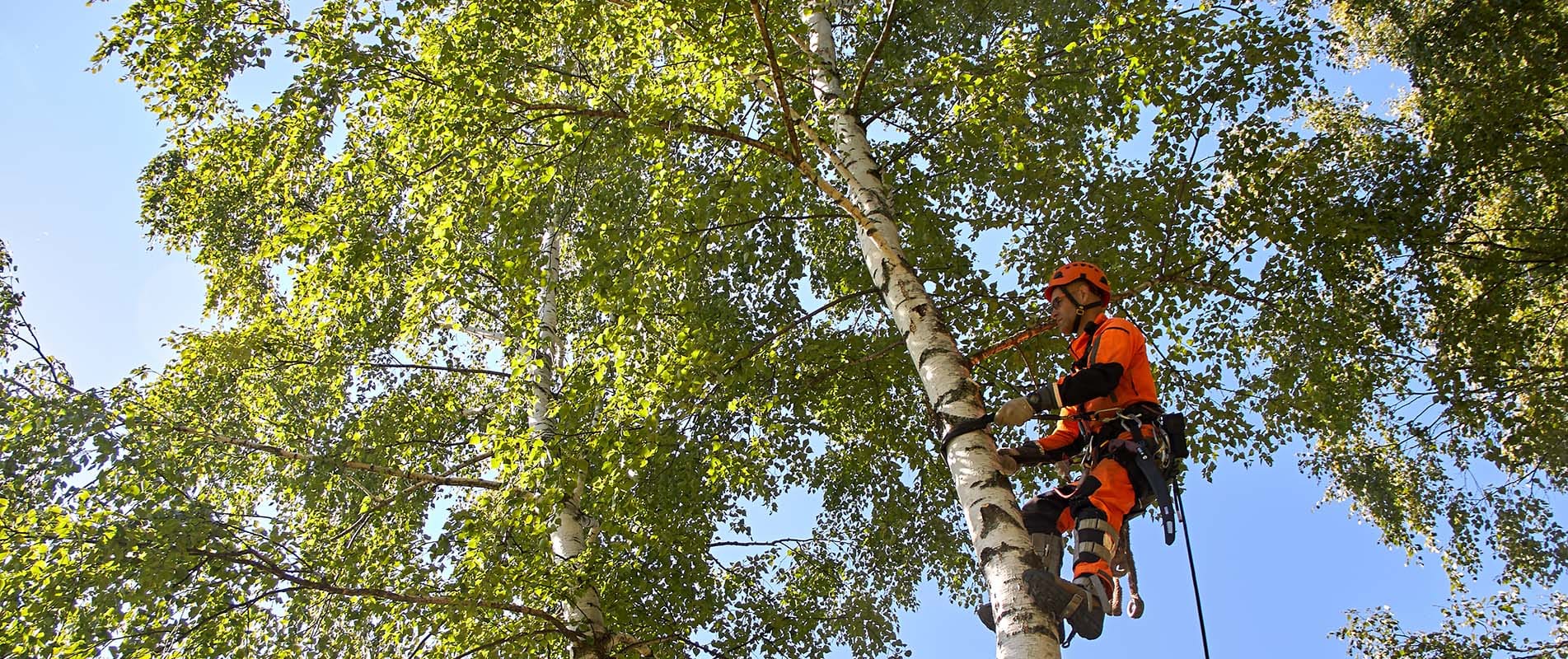
Signs Your Tree Needs Deadwood Removal
Trees make a property more attractive while providing shade, cleaner air, and a healthy outdoor environment. Healthy trees can live for many years when they receive proper care. However, like all living plants, trees can develop dead branches over time. These dead branches, known as deadwood, should not be ignored because they can affect both the health of the tree and the safety of your property.
Deadwood removal is an important part of tree maintenance. Removing dead branches helps prevent accidents, reduces the spread of disease, discourages pests, and supports healthy tree growth. The key is knowing when your tree needs attention.
This guide explains the most common signs your tree needs deadwood removal and why acting early helps protect both your landscape and your home.
What Is Deadwood?
Deadwood refers to branches that are no longer alive.
These branches stop receiving water and nutrients from the tree, causing them to dry out and become brittle.
Branches may die because of:
- Storm damage
- Disease
- Insect activity
- Drought
- Natural aging
- Physical damage
- Root problems
Once a branch dies, it will not recover. Removing it is usually the safest option.
Why Deadwood Removal Is Important
Dead branches may seem harmless, but they create several risks.
Removing deadwood helps:
- Improve tree health
- Prevent falling branches
- Reduce disease
- Discourage pests
- Improve tree appearance
- Support healthy growth
- Protect nearby property
Regular inspections allow homeowners to identify problems before they become dangerous.
Dead Branches Have No Leaves
One of the easiest signs to notice is a branch without leaves during the growing season.
While healthy branches produce fresh leaves, dead branches remain bare.
If only a few branches lack leaves while the rest of the tree is healthy, those branches may be dead and should be inspected.
Branches Become Dry and Brittle
Dead branches lose moisture over time.
Instead of bending slightly like healthy wood, they snap easily when pressure is applied.
Dry, brittle wood is often one of the clearest signs that a branch has died.
Bark Is Falling Off
Healthy branches usually have firm bark attached to the wood.
Dead branches often develop:
- Loose bark
- Peeling bark
- Missing bark
These changes may indicate that the branch is no longer alive.
Branches Break Easily
If small branches fall frequently during calm weather, your tree may contain significant deadwood.
Dead branches become weak enough to break without strong winds or storms.
This increases the risk of injury and property damage.
Hanging or Broken Limbs
Storms often leave branches partially attached to the tree.
These hanging limbs are unstable and can fall unexpectedly.
They should be removed as soon as possible to improve safety.
Cracks in Large Branches
Large cracks often weaken branches before they fail completely.
If a cracked branch also shows signs of deadwood, removal is usually recommended.
Ignoring cracked branches increases the chance of unexpected breakage.
Fungal Growth
Fungi often develop on dead or decaying wood.
You may notice:
- Mushrooms
- Shelf fungi
- Soft, decaying wood
Although not every fungus means a branch is dead, it often indicates that decay is present.
Dead Twigs Throughout the Canopy
Small dead twigs scattered throughout the canopy often suggest that larger branches may also be affected.
When several areas of the tree show dead growth, a full inspection is recommended.
Branches Without Flexible Growth
Healthy branches usually bend slightly.
Dead branches often remain stiff and brittle.
If branches snap easily instead of bending, they may need to be removed.
The Tree Looks Uneven
A healthy tree usually has a balanced canopy.
Large sections of dead branches can make one side appear thin or empty.
Uneven growth often signals that maintenance is needed.
Reduced Leaf Growth
A tree that produces fewer leaves than usual may be experiencing stress.
Dead branches reduce the tree’s ability to grow efficiently.
Removing deadwood allows the tree to focus its energy on healthy growth.
Signs of Disease
Dead branches are sometimes caused by disease.
Other warning signs include:
- Discolored leaves
- Early leaf drop
- Dark spots on bark
- Oozing sap
- Branch dieback
Removing affected branches may help reduce the spread of disease.
Increased Insect Activity
Dead wood attracts many insects.
Common pests include:
- Carpenter ants
- Beetles
- Wood borers
- Termites
If insects are frequently seen around dead branches, removal may help reduce infestations.
Branches Hanging Over Your Home
Dead branches located above buildings should receive immediate attention.
These branches may fall onto:
- Roofs
- Garages
- Vehicles
- Decks
- Walkways
Removing them improves safety and helps prevent expensive repairs.
Storm Damage
Strong winds often reveal weak branches.
After severe weather, inspect trees for:
- Broken limbs
- Hanging branches
- Split wood
- Fresh cracks
Prompt deadwood removal reduces additional damage and helps the tree recover.
Poor Air Circulation
Dense canopies filled with dead branches reduce airflow.
Poor circulation creates damp conditions that encourage fungal diseases.
Removing deadwood improves airflow and supports healthier growth.
Reduced Sunlight
Dead branches may block sunlight from reaching healthy parts of the tree.
Removing unnecessary branches allows more sunlight into the canopy.
This improves photosynthesis and supports healthy development.
Why You Should Not Ignore Deadwood
Ignoring dead branches increases the chances of:
- Falling limbs
- Property damage
- Personal injury
- Disease spread
- Pest infestations
- Tree decline
Routine maintenance is usually much easier than dealing with emergency tree damage.
When Should Deadwood Be Removed?
Dead branches should be removed as soon as they are discovered.
Unlike seasonal pruning, deadwood removal can be performed throughout the year.
Immediate attention is recommended if branches are:
- Hanging
- Cracked
- Above structures
- Clearly dead
- Damaged after storms
Quick action helps improve safety.
Benefits of Deadwood Removal
Removing deadwood provides many long-term benefits.
These include:
- Better tree health
- Stronger growth
- Improved appearance
- Reduced disease
- Fewer insects
- Increased safety
- Better storm resistance
- Longer tree lifespan
Healthy trees continue adding beauty and value to your property for many years.
For reliable tree care, Plam Beach Arbor provides professional deadwood removal to help keep trees healthy, attractive, and safe throughout the year.
Frequently Asked Questions
What is deadwood removal?
Deadwood removal is the process of removing branches that have died because of age, disease, storm damage, or other causes.
How do I know if a branch is dead?
Dead branches often have no leaves, dry wood, peeling bark, cracks, and may break easily.
Is deadwood dangerous?
Yes. Dead branches can fall without warning and may damage property or cause injuries.
Can deadwood removal improve tree health?
Yes. Removing dead branches allows the tree to direct its energy toward healthy growth while reducing disease and pest problems.
Should deadwood be removed after a storm?
Yes. Storm-damaged branches should be inspected and removed promptly to reduce safety risks.
Final Thoughts
Deadwood is a common problem that should never be ignored. Dead branches weaken a tree, increase the risk of falling limbs, attract pests, and create opportunities for disease to spread. Learning to recognize the warning signs early allows homeowners to protect both their trees and their property before small issues become serious problems.
Regular inspections and timely deadwood removal help trees remain healthy, attractive, and structurally strong. With proper care, your trees can continue providing shade, beauty, and lasting value while creating a safer outdoor environment for everyone.
