

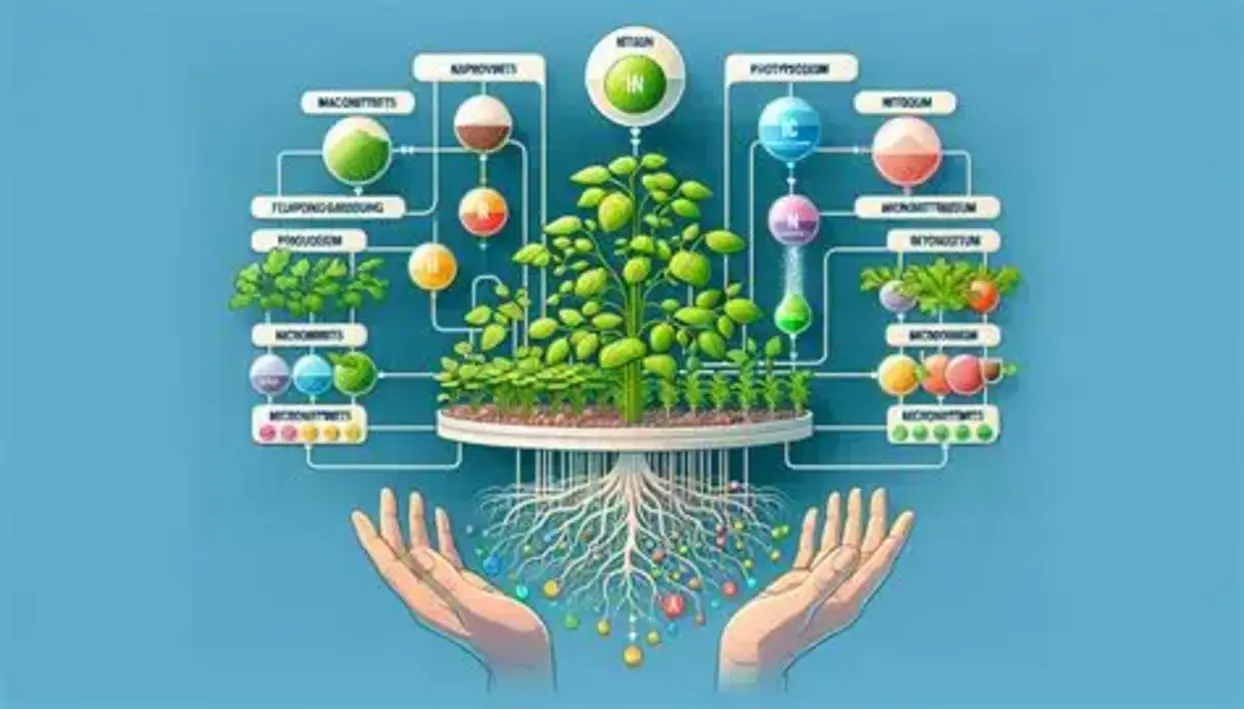
A Comprehensive Guide to Nitrogen Forms in Plant Nutrition
Nitrogen is one of the most essential nutrients required for plant growth and development. As a major component of chlorophyll, amino acids, proteins, and enzymes, nitrogen plays a crucial role in photosynthesis and overall plant productivity. However, not all nitrogen sources are the same. Understanding the different forms of nitrogen available to plants can help growers, farmers, and gardeners make informed decisions that maximize crop health and yield.
Why Nitrogen Matters in Plant Nutrition
Nitrogen is considered a primary macronutrient, alongside phosphorus and potassium. Plants require nitrogen in relatively large quantities to support important physiological processes, including:
- Leaf and stem development
- Protein synthesis
- Chlorophyll formation
- Root growth
- Flower and fruit production
- Overall biomass accumulation
A lack of nitrogen often results in yellowing leaves, stunted growth, and reduced crop yields. Conversely, excessive nitrogen application can lead to excessive foliage growth, delayed flowering, and environmental concerns.
The Main Forms of Nitrogen Available to Plants
Nitrogen exists in several forms, but plants primarily absorb it as nitrate (NO3-) and ammonium (NH4+). In addition, urea and organic nitrogen sources contribute to plant nutrition after undergoing transformations in the soil.
1. Nitrate Nitrogen (NO3-)
Nitrate is one of the most common and readily available forms of nitrogen in agricultural soils.
Advantages of Nitrate Nitrogen
- Easily absorbed by plant roots.
- Promotes balanced growth and strong root development.
- Reduces the risk of ammonium toxicity.
- Highly suitable for hydroponic systems and vegetable crops.
Limitations
- Highly soluble and prone to leaching.
- Can be lost through heavy rainfall or excessive irrigation.
- Requires proper nutrient management to prevent environmental pollution.
Many leafy vegetables, cereals, and fruit-bearing crops perform well when nitrate nitrogen is available in sufficient amounts.
2. Ammonium Nitrogen (NH4+)
Ammonium nitrogen is another form directly utilized by plants. Unlike nitrate, ammonium carries a positive charge, allowing it to bind to soil particles and reducing nutrient losses.
Benefits of Ammonium Nitrogen
- Less susceptible to leaching.
- Improves phosphorus uptake in some crops.
- Requires less energy for plants to assimilate compared to nitrate.
- Suitable for acidic soils and rice cultivation.
Potential Drawbacks
- Excessive ammonium can become toxic to plants.
- High concentrations may inhibit root growth.
- Can increase soil acidity over time.
Many crops thrive when ammonium and nitrate are supplied together in balanced proportions.
3. Urea Nitrogen
Urea is one of the most widely used nitrogen fertilizers worldwide because of its high nitrogen content and cost-effectiveness.
Containing approximately 46% nitrogen, urea must first be converted into ammonium and subsequently into nitrate through microbial activity before plants can absorb it efficiently.
Advantages of Urea
- High nitrogen concentration.
- Easy to transport and store.
- Cost-effective for large-scale agriculture.
- Suitable for a wide range of crops.
Challenges
- Subject to nitrogen losses through ammonia volatilization.
- Requires proper application techniques.
- Performance depends on soil temperature and moisture conditions.
Farmers often incorporate urea into the soil or apply it before rainfall to improve nitrogen efficiency.
4. Organic Nitrogen
Organic nitrogen originates from natural materials such as:
- Compost
- Animal manure
- Green manure
- Crop residues
- Organic fertilizers
Unlike synthetic nitrogen sources, organic nitrogen must be broken down by microorganisms before becoming available to plants.
Benefits of Organic Nitrogen
- Improves soil structure and fertility.
- Enhances microbial activity.
- Supports sustainable agriculture.
- Releases nutrients gradually.
Limitations
- Slower nutrient availability.
- Variable nutrient content.
- Requires careful management for consistent results.
Organic nitrogen sources are particularly valuable in environmentally friendly farming systems and long-term soil improvement programs.
How Soil Conditions Affect Nitrogen Availability
Several factors influence how efficiently plants can use nitrogen.
Soil pH
The availability of nitrogen changes depending on soil acidity or alkalinity. Most crops perform best in soils with a pH between 6.0 and 7.0.
Temperature
Microbial activity responsible for converting nitrogen compounds increases with warmer temperatures. Cold soils often slow nitrogen release.
Moisture
Adequate moisture supports nutrient movement and microbial processes. Excessive water, however, may cause nitrate leaching and denitrification losses.
Aeration
Well-aerated soils encourage the conversion of ammonium into nitrate through nitrification. Poor drainage can limit oxygen availability and reduce nitrogen efficiency.
Which Nitrogen Form Is Best for Plants?
There is no universal answer because the ideal nitrogen form depends on several factors:
Crop Type
Different plants have varying preferences. For example:
- Leafy greens often benefit from nitrate nitrogen.
- Rice plants can efficiently utilize ammonium nitrogen.
- Fruit crops typically perform best with balanced nitrogen sources.
Growth Stage
Young plants require nitrogen for vegetative growth, while excessive nitrogen during flowering or fruiting may reduce crop quality.
Soil Characteristics
Soil texture, pH, and organic matter levels all influence the effectiveness of specific nitrogen forms.
Climate Conditions
Regions with heavy rainfall may experience greater nitrate losses, making ammonium-based fertilizers or slow-release nitrogen products more advantageous.
Combining Nitrogen Sources for Better Results
Modern nutrient management often involves combining multiple forms of nitrogen to achieve balanced plant growth.
For example, many commercial fertilizers contain both nitrate and ammonium nitrogen. This combination provides immediate nutrient availability while reducing excessive losses.
Integrated nutrient management may also combine:
- Synthetic fertilizers
- Organic amendments
- Controlled-release fertilizers
- Precision application techniques
Such approaches improve nutrient use efficiency and contribute to sustainable agricultural practices.
Best Practices for Nitrogen Management
To maximize plant performance and minimize environmental impacts, consider the following recommendations:
- Conduct regular soil testing.
- Apply nitrogen according to crop requirements.
- Split fertilizer applications throughout the growing season.
- Avoid over-fertilization.
- Monitor irrigation practices.
- Use slow-release or stabilized nitrogen products when appropriate.
- Incorporate organic matter to improve soil health.
Proper nitrogen management not only increases yields but also reduces nutrient losses and supports long-term agricultural sustainability.
Conclusion
Nitrogen is a cornerstone of plant nutrition, but understanding its various forms is essential for achieving optimal crop performance. Nitrate, ammonium, urea, and organic nitrogen each offer unique advantages and challenges. Rather than relying on a single source, successful growers often adopt balanced nutrient strategies tailored to crop requirements, soil conditions, and environmental factors.
By understanding how different nitrogen forms interact with plants and soils, farmers and gardeners can make smarter decisions that enhance productivity, improve soil health, and promote sustainable agricultural practices for years to come.
Article about ” A Comprehensive Guide to Nitrogen Forms in Plant Nutrition ” property: srrmasalas.com posted by: toko sulfur – belirangkalisari
