

Chronic Health Conditions Support Tips for Better Quality of Life
Living with a chronic illness can affect daily routines, physical strength, emotional health, and relationships. Many people face long-term pain, fatigue, stress, or mobility issues that make simple tasks harder. Still, the right habits and support system can improve comfort, independence, and confidence. Small changes in daily life often create meaningful results over time.
People who manage long-term conditions need practical solutions that fit into their routines. Healthy meals, proper sleep, regular movement, and emotional care all help build a better lifestyle. Family members, caregivers, and medical professionals also play an important role in helping patients maintain stability and peace of mind.
Build a Daily Routine That Supports Your Health
A steady routine helps the body and mind stay balanced. Many chronic conditions cause energy levels to change throughout the day. A schedule allows people to manage activities without putting too much stress on the body.
Start the morning with light stretching, a healthy breakfast, and enough water. Plan tasks during hours when energy feels highest. Rest breaks should remain part of the schedule, especially for people dealing with fatigue or pain.
Sleep also matters. Poor sleep can increase discomfort and reduce focus. Going to bed at the same time each night can improve sleep quality and support recovery.
Focus on Nutritious Foods
Food affects how the body functions every day. A balanced diet supports the immune system, improves digestion, and helps maintain healthy energy levels.
Fresh vegetables, fruits, lean protein, and whole grains provide nutrients that support long-term health. Limiting processed foods, sugar, and excess salt can reduce inflammation and support heart health.
Some people with chronic illnesses may need special meal plans. A doctor or nutrition expert can recommend foods that match personal health needs.
Stay Hydrated Throughout the Day
Water helps the body perform many important tasks. It supports circulation, digestion, and temperature control. Dehydration may increase headaches, weakness, or muscle cramps.
Carry a water bottle during the day and drink fluids regularly, especially during warm weather or physical activity.
Keep Moving With Safe Physical Activity
Regular movement helps improve flexibility, strength, and circulation. Physical activity can also reduce stress and support mental health. Many people avoid exercise because they fear pain or exhaustion. However, gentle movement often helps the body feel better over time.
Walking, yoga, swimming, or light stretching may support joint movement and reduce stiffness. Patients should choose activities that fit their physical condition and fitness level.
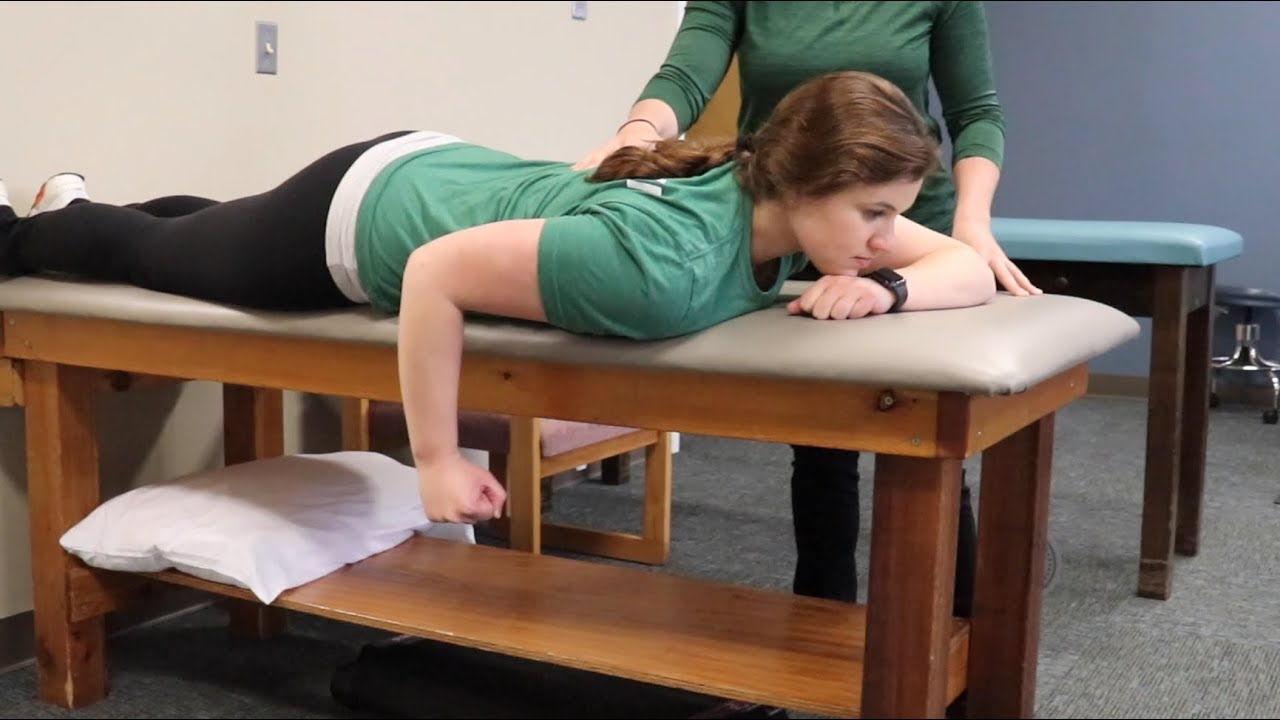
Doctors or physical therapists can suggest safe workouts for different conditions. Many patients benefit from simple routines that improve movement without causing strain.
The phrase “Recovery Exercises to Help You Feel Better” often describes low-impact activities that support healing and reduce discomfort. These exercises can improve mobility, posture, and muscle strength when done consistently.
Support Emotional and Mental Health
Long-term illness can affect emotional well-being. Some people feel frustrated, isolated, or anxious because of physical limitations or ongoing medical treatments. Emotional care should remain part of any health plan.
Talking with trusted family members, friends, or support groups can reduce stress and loneliness. Counseling or therapy may also help people manage fear, sadness, or emotional pressure.
Relaxation methods such as breathing exercises, meditation, or listening to calming music may improve mood and focus. Spending time outdoors or doing enjoyable hobbies can also reduce emotional strain.
Stay Connected With Others
Strong relationships help people feel supported during difficult times. Family members and friends can assist with appointments, household tasks, or emotional support.
Online groups and local communities also allow people to share experiences and practical advice. These connections remind patients that they are not alone in their journey.
Follow Medical Advice and Attend Regular Checkups
Regular medical care helps doctors track symptoms and adjust treatment plans when needed. Skipping appointments or medications can increase health risks and slow progress.
Patients should keep a list of medications, symptoms, and questions before each visit. Clear communication with healthcare providers allows better decisions and safer treatment.
Technology can also help patients manage their health. Phone reminders, health apps, or wearable devices can support medication schedules and activity tracking.
Learn to Manage Stress
Stress can increase blood pressure, muscle tension, and fatigue. People with chronic conditions often deal with financial pressure, work limitations, or physical discomfort that adds stress to daily life.
Healthy stress management methods may include journaling, reading, prayer, light exercise, or speaking with loved ones. Small daily habits often create a calmer mindset and better emotional balance.
Create a Safe and Comfortable Home Environment
A comfortable living space can improve independence and reduce accidents. People with mobility issues may need supportive chairs, handrails, or non-slip flooring to move safely around the home.
Good lighting and organized spaces also help reduce falls or strain. Comfortable bedding and supportive pillows may improve rest and reduce body pain.
Caregivers should pay attention to physical comfort as well as emotional support. Respect, patience, and kindness help patients maintain dignity and confidence.
Build Long-Term Healthy Habits
Support from family, friends, and caregivers can make daily life more manageable. Emotional encouragement often helps people stay motivated during difficult periods.
Loved ones can assist with transportation, household tasks, or appointment scheduling when needed. Simple acts of kindness and patience can make someone feel valued and supported.
Strong support systems also reduce feelings of loneliness. Staying socially connected helps improve emotional strength and creates a sense of stability.
The value of Chronic Health Conditions Support becomes clear when patients receive both physical care and emotional encouragement from the people around them.
Final Thoughts
Living with a chronic illness requires patience, commitment, and reliable support. Healthy routines, emotional care, safe physical activity, and regular medical treatment can improve daily life in many ways. People who take small positive steps each day often feel stronger, more confident, and more prepared to manage long-term health challenges. For trusted care and professional rehabilitation services, Prosperity Rehab continues to support patients on their path toward better health and improved quality of life.
