

The Ultimate Guide to Private Label Skin Care: Build Your Billion-Dollar Brand
The global beauty landscape is undergoing a massive paradigm shift. Gone are the days when a handful of legacy conglomerate brands controlled what went onto consumers’ skin. Today, digital disruption, social media influence, and a democratization of manufacturing have opened the doors for independent creators, dermatologists, influencers, and entrepreneurs to claim their piece of the multi-billion-dollar skincare market (Hudson, 2018).
If you have ever dreamed of launching your own beauty line, there has never been a better time. Thanks to the private label skin care model, the barrier to entry has completely crumbled. You don’t need a PhD in chemistry or millions of dollars in venture capital to build a premium, high-performance skincare line.
This comprehensive guide will walk you through everything you need to know about navigating the private label skincare industry, finding the right manufacturing partners, selecting winning ingredients, and scaling your brand into a household name.
What is Private Label Skin Care?
Before diving into the logistics, it is vital to understand what private label skincare actually is—and what it isn’t.
Defining the Private Label Model
A private label product is manufactured by a third-party manufacturer but sold under a retailer’s or brand’s own name (Gaur, 2021). The manufacturer handles the rigorous research, development, lab testing, and formulation. You, as the brand owner, select the packaging, apply your custom branding and logo, and handle the marketing and distribution.
Crucial Distinction: Private labeling is often confused with white labeling. While white label products are generic, pre-made formulas sold identically to dozens of different retailers, true premium private label skin care often allows for slight modifications, custom packaging, and curated ingredient additions to help differentiate your product from the competition.
Why Choose Private Labeling Over Custom Manufacturing?
For a startup, custom formulation (or contract manufacturing) can be a financial nightmare. It requires hiring a cosmetic chemist, funding multiple rounds of trial-and-error lab testing, and meeting massive Minimum Order Quantities (MOQs) that frequently exceed 10,000 units per Stock Keeping Unit (SKU).
Private labeling gives you an institutional shortcut. You leverage pre-tested, clinically proven, and stable formulas that are already regulatory-compliant. This slashes your upfront capital risk and accelerates your time-to-market from years to a matter of weeks.
The Strategic Benefits of Private Labeling in the Beauty Industry
The retail landscape has evolved significantly, with private label brands transitioning from budget alternatives to premium, high-quality, and highly sought-after options (Boonchoo, 2024). Here is why entrepreneurs are choosing this route:
- Exceptional Profit Margins: Skincare carries some of the highest markups in the consumer goods space. Buying formulations directly from a manufacturer allows you to command premium retail pricing while keeping cost-of-goods-sold (COGS) remarkably low.
- Speed to Market: The beauty industry moves at the speed of social media trends. If an ingredient like Ectoin or Mugwort goes viral on TikTok, a private label manufacturer can often help you launch a compliant product within a month, whereas custom formulation would miss the trend entirely.
- Reduced Regulatory Burden: Modern skincare requires stringent safety testing, stability testing, and regulatory compliance (Arikatla et al., 2026). Reputable private label labs have already secured these certifications for their baseline formulas.
- Brand Agility: Lower MOQs mean you can test different product lines (e.g., a vitamin C serum vs. a niacinamide toner) without sinking your entire life savings into inventory. If a product doesn’t sell, you can pivot without devastating financial losses.
Micro-Trends Reshaping the Skincare Market
To build a successful private label brand, you cannot just launch a generic moisturizer. You must align your brand with the evolving, hyper-specific demands of today’s beauty consumers.
                      ┌────────────────────────────────────────┐
                      │   Modern Skincare Consumer Demands     │
                      └───────────────────┬────────────────────┘
                                          │
         ┌────────────────────────────────┼──────────────────────────────┐
         ▼                                ▼                              ▼
┌──────────────────┐            ┌──────────────────┐           ┌──────────────────┐
│  Skin Barrier    │            │ Hyper-           │           │ Clean & Eco-     │
│  Repair & Focus  │            │ Personalization  │           │ Conscious Hub    │
└──────────────────┘            └──────────────────┘           └──────────────────┘
Skin Barrier Repair and “Skinminimalism”
For years, consumers over-exfoliated their skin with harsh multi-step routines, leading to widespread skin barrier damage and contact dermatitis (Poelhekken, 2026). As a result, there is a massive shift away from complex 10-step routines toward “skinminimalism.” Consumers are searching for soothing, barrier-supportive ingredients like ceramides, peptides, centella asiatica, and bifida ferment lysates.
Hyper-Personalization and Tech Integration
Consumers are no longer satisfied with generic “one-size-fits-all” lotions; they demand products tailored to their physiological needs, lifestyle, and even changing local weather patterns (Sagastume-Canova & Fernández-Guarino, 2026). Advanced private label brands are leveraging AI-driven skin analysis quizzes on their websites to recommend custom-tailored private-label product bundles to individual users.
Clean, Ethical, and Eco-Conscious Beauty
Modern consumers are highly aware of the toxicological impacts of low-grade synthetic cosmetics (Alnuqaydan, 2024). They demand clean ingredient transparency, sustainable upcycled ingredients, biodegradable packaging, and cruelty-free certifications. Aligning your private label brand with clean beauty standards is no longer optional—it is a baseline expectation.
Step-by-Step Guide: Launching Your Private Label Skin Care Line
Launching a skincare brand requires balancing creative vision with execution. Here is a step-by-step roadmap to guide you from concept to launch.
Define Your Niche and Target Audience
The statement “My skincare line is for everyone” is a recipe for marketing failure. To stand out, you must solve a specific problem for a specific community.
- Are you creating a clinical-grade acne line for adult women?
- Are you building a vegan, zero-waste skincare brand for Gen Z?
- Are you developing a minimalist, no-nonsense grooming line for men?
Pinpoint your target demographic, research their pain points, and speak their specific language.
Choose Your Hero Products
When working with private label skin care, it is tempting to launch a full 12-product collection right out of the gate. Avoid this. Start with 1 to 3 “Hero Products” that deliver immediate, noticeable results.
Serums, facial oils, and targeted treatments are excellent hero products because they contain high concentrations of active ingredients, command higher price points, and drive strong customer retention.
| Product Category | Ideal For | Key Active Ingredients to Look For | Perceived Value |
| Targeted Serum | Hyperpigmentation, anti-aging | Vitamin C, Retinol, Niacinamide, Peptides | Very High |
| Barrier Cream | Hydration, soothing, repair | Ceramides, Squalane, Hyaluronic Acid | High |
| Exfoliating Toner | Pore clearing, texture correction | Salicylic Acid (BHA), Glycolic Acid (AHA) | Medium-High |
Source and Vet a Private Label Manufacturer
Your manufacturer is the backbone of your business. When vetting potential private label skin care labs, do not make your decision solely on price. Ask the following critical vetting questions:
- Are they GMP Certified? Ensure the facility follows Good Manufacturing Practices (GMP) and is registered with relevant regulatory authorities like the FDA or European Medicines Agency.
- What are their MOQs? Do they allow you to start with 50 units per SKU, or do they require 1,000?
- Do they provide stability and microbial testing? Ensure every batch is tested to guarantee it won’t separate, change color, or grow mold on retail shelves.
- Can they provide Documentation? You will need Certificate of Analysis (COA) sheets, Safety Data Sheets (SDS), and ingredient breakdowns for international compliance (Arikatla et al., 2026).
Design Your Packaging and Branding
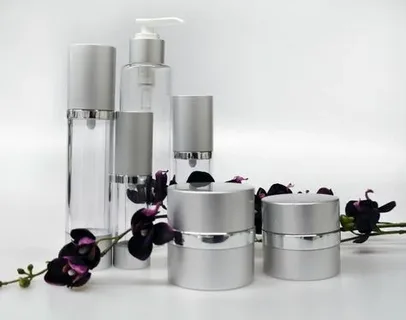
In the beauty industry, the packaging is the product experience. Your packaging must reflect your brand identity and price point.
- Aesthetic Appeal: If your brand is clinical, opt for clean, amber glass dropper bottles with minimalist typography. If it’s a youthful Gen Z brand, focus on bold, vibrant, recyclable plastics.
- Component Integrity: Ensure the packaging protects the formulation. For example, Vitamin C oxidizes rapidly when exposed to air and light, meaning it requires airtight, opaque pump bottles rather than clear glass jars.
Build an Omnichannel Sales Framework
Once your products are packaged and ready, establish an online storefront. Platforms like Shopify make it easy to design an e-commerce store optimized for conversions. Don’t limit yourself to online sales; look into partnership opportunities with local boutiques, high-end salons, spas, or beauty subscription boxes to build offline brand authority and consumer trust (Hudson, 2018).
Regulatory Compliance and Safety Standards
You cannot afford to cut corners when it comes to products meant to be applied to human skin. Understanding regional cosmetic regulations is essential for long-term survival in the beauty space.
- United States (FDA): Under MoCRA (Modernization of Cosmetics Regulation Act), the FDA requires strict facility registration, comprehensive adverse event reporting, and thoroughly substantiated safety profiles for all cosmetic formulations.
- European Union (EU): The EU boasts some of the world’s strictest guidelines under Cosmetics Regulation (EC) No 1223/2009. You must compile a comprehensive Product Information File (PIF) and appoint a Responsible Person to ensure safety before any product can hit the European market (Arikatla et al., 2026).
- Ingredient Labeling (INCI): Regardless of your location, your product labels must list ingredients using their International Nomenclature Cosmetic Ingredient (INCI) names, ordered from the highest concentration to the lowest.
Marketing Strategies to Scale Your Skincare Brand
Having a great product is only half the battle; you need a strategic marketing campaign to get it into consumers’ hands.
Leverage the Power of Social Proof
Beauty consumers don’t trust corporate advertisements; they trust real people with real skin conditions. Build a robust seeding campaign by sending your private label products to micro-influencers and skincare creators on TikTok, Instagram, and YouTube. Focus on capturing raw, unedited “Before and After” content, which serves as the highest-converting asset in beauty marketing.
Content Marketing and Aesthetic SEO
Skincare consumers are constantly searching for answers to their skin troubles. Create an educational blog on your e-commerce store addressing long-tail search queries like “How to repair skin barrier from retinol burn” or “Best non-comedogenic ingredients for fungal acne.” By positioning your brand as an educational authority, you build deep consumer trust and capture high-intent organic traffic without relying solely on expensive paid ads.
Conclusion
The private label skin care industry offers an unprecedented launchpad for entrepreneurial creativity and financial independence. By selecting pre-formulated, high-performance bases, you bypass the immense financial and operational bottlenecks traditionally tied to cosmetic production.
Success in this competitive space comes down to your ability to identify a profitable market niche, tell a compelling brand story, maintain unwavering regulatory compliance, and deliver exceptional product quality that turns first-time buyers into lifelong brand advocates. Find your niche, partner with a world-class manufacturing lab, and start building your beauty empire today.
Frequently Asked Questions (FAQs)
Can I customize the ingredients in a private label skin care product?
Yes, many premium private label manufacturers offer semi-customization. While the core base formula stays the same, you can often choose to infuse specific trendy active ingredients, custom botanical extracts, or signature natural fragrances to make the product uniquely yours.
What is the average cost to start a private label skincare line?
Because private label manufacturing features low MOQs, you can launch a lean skincare line for anywhere between $2,000 and $5,000. This capital covers initial inventory, professional branding, custom label printing, and setting up an e-commerce platform.
How do I know if a private label product is safe and high-quality?
Always ensure your manufacturing partner operates out of an FDA-registered, cGMP-compliant facility. Request proof of independent stability testing, microbial testing, and a comprehensive Certificate of Analysis (COA) for every product batch you buy.
