

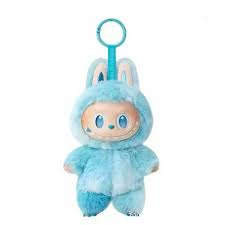
La Bubu (Labubu) The Mischievous Icon of Modern Designer Toy Culture
In the ever-evolving world of collectible designer toys, few characters have managed to capture global attention quite like La Bubu, more commonly known as Labubu. This oddly charming creature stands out not because of polished perfection or traditional cuteness, but because of its strange, slightly chaotic, and deeply expressive personality. Created within the growing universe of art toys, Labubu has become a symbol of how modern pop culture increasingly embraces imperfection, imagination, and emotional storytelling through physical objects.
At first glance, Labubu might appear unusual or even unsettling to some. With sharp little teeth, exaggerated facial expressions, and a mischievous grin, it does not conform to the typical standards of “cute” characters. Yet, this is precisely what makes it unforgettable. Labubu represents a shift in aesthetic values—where uniqueness is celebrated over uniform beauty, and emotional connection matters more than conventional design rules.
Origin and Creative Vision Behind Labubu
Labubu was created by Hong Kong–based artist Kasing Lung, a visionary illustrator and storyteller known for blending fantasy with emotional depth. Labubu is part of a larger imaginative universe often referred to as “The Monsters,” a series of characters that reflect different aspects of human emotion, curiosity, and imagination.
Within this universe, Labubu stands out as one of the most recognizable figures. It is often portrayed as a small, elf-like creature with a wild appearance and a personality that feels both playful and unpredictable. The character does not belong to a strictly defined narrative; instead, it exists as a flexible emotional symbol that can be interpreted differently by each viewer.
The creative intention behind Labubu was never to produce a traditional mascot. Instead, it was designed to feel alive in a conceptual sense—like a wandering spirit that reflects human emotions such as curiosity, mischief, loneliness, and joy. This open-ended storytelling approach is one of the reasons Labubu has resonated so strongly with collectors around the world.
Design Philosophy: Embracing Imperfection and Emotion
One of the most fascinating aspects of La bubu is its design philosophy. Unlike mainstream commercial characters that aim for symmetrical beauty and universal appeal, Labubu deliberately embraces asymmetry, odd proportions, and expressive imperfections. Its wide grin, uneven teeth, and exaggerated eyes are not flaws—they are intentional design choices meant to evoke personality and emotional depth.
This design approach aligns with a broader trend in contemporary art toys, where emotional resonance is valued more than aesthetic perfection. Labubu’s appearance often feels like it is caught between innocence and chaos, creating a tension that draws people in. It is neither purely cute nor purely frightening; instead, it exists in a strange in-between space that encourages interpretation.
The character’s visual identity also changes across different editions and collaborations. Sometimes Labubu appears softer and more whimsical, while other times it takes on darker or more surreal tones. This flexibility allows the character to evolve continuously without losing its core identity.
Cultural Popularity and Global Recognition
Over the years, Labubu has grown from a niche collectible into a globally recognized figure within the designer toy community. Much of this success can be attributed to the rise of blind box culture, where collectors purchase sealed boxes without knowing which figure they will receive. This element of surprise has significantly increased Labubu’s appeal, turning each release into an exciting event.
Social media platforms have also played a major role in spreading Labubu’s popularity. Collectors frequently share unboxing experiences, display shelves, and rare finds, creating a strong online community centered around the character. As a result, Labubu has transcended its status as a simple collectible and become part of a larger cultural conversation about art, identity, and emotional expression.
Interestingly, Labubu’s appeal is not limited to children or traditional toy enthusiasts. Many adult collectors are drawn to its artistic value and emotional symbolism. In fact, the character is often displayed more as an art piece than a toy, reinforcing its position within the designer art movement.
The Collecting Experience: More Than Just a Hobby
Collecting Labubu figures is often described as more than a hobby—it is an experience. Each release introduces new variations, costumes, and thematic interpretations of the character. Some editions are inspired by seasonal themes, while others explore fantasy worlds, emotions, or cultural motifs.
The blind box system adds an element of unpredictability that enhances the excitement. Collectors never fully know what they will receive, which creates anticipation and emotional engagement. Rare editions, especially secret or limited-run variants, often become highly sought-after items within the community.
Beyond the thrill of collecting, there is also a strong emotional connection that many fans develop with their Labubu figures. Each piece feels like a small fragment of a larger story, even if that story is not explicitly defined. This open-ended narrative allows collectors to project their own meanings onto the character, making each figure personally significant.
Artistic Collaborations and Expanding Universe
Another reason for Labubu’s sustained popularity is its frequent collaborations with other artists, brands, and creative studios. These collaborations often result in unique reinterpretations of the character, blending different artistic styles with Labubu’s core identity.
Through these partnerships, Labubu has appeared in countless forms—ranging from dreamy pastel versions to darker, gothic-inspired designs. Each collaboration expands the universe of the character while maintaining its recognizable essence. This constant reinvention keeps the character fresh and relevant in an increasingly competitive collectible market.
These collaborations also highlight the growing intersection between fine art and consumer collectibles. Labubu exists in a space where art galleries, toy stores, and online marketplaces all converge, blurring the line between artistic expression and commercial product.
Emotional Connection and Psychological Appeal
What truly sets Labubu apart is its emotional depth. Despite being a small vinyl figure, it manages to evoke a wide range of feelings in its audience. Some people see it as cute and comforting, while others interpret it as slightly eerie or rebellious. This duality is part of its charm.
Psychologically, Labubu taps into the human attraction to expressive faces and ambiguous emotions. Its exaggerated expressions allow viewers to project their own feelings onto it, making it highly relatable despite its fantastical appearance. In a way, Labubu acts as a mirror—reflecting back the emotions of the person observing it.
This emotional flexibility is one of the reasons it has remained relevant for so long. Unlike rigid characters with fixed identities, Labubu evolves with its audience, adapting to different interpretations and emotional states.
The Role of Labubu in Modern Pop Culture
In today’s pop culture landscape, Labubu represents a broader movement toward individuality, emotional storytelling, and artistic experimentation. It stands alongside other designer toy icons as a symbol of how art can exist outside traditional galleries and museums.
The character also reflects a shift in consumer behavior, where people are increasingly interested in meaningful objects rather than mass-produced goods. Owning a Labubu figure is not just about decoration—it is about participating in a creative narrative and expressing personal identity.
Furthermore, Labubu’s success highlights how global audiences are embracing Asian designer toy culture, particularly from Hong Kong, Japan, and China. This cultural exchange has helped shape a new international appreciation for stylized, narrative-driven collectibles.
