

Tooth Surgery Explained: Recovery, Costs & What to Expect
Few things can ruin your day faster than severe tooth pain. One minute you’re enjoying coffee or your favorite snack, and the next, you’re searching online for answers about tooth surgery.
The good news? Modern dental procedures are far less painful and stressful than most people imagine. Whether you need a damaged tooth removed, a dental implant placed, or treatment for an impacted wisdom tooth, today’s tooth surgery techniques focus heavily on comfort and fast recovery.
If your dentist recently mentioned surgery, this guide will help you understand the process, costs, recovery, and how to prepare with confidence.
What Is Tooth Surgery?
Tooth surgery refers to dental procedures that involve surgically treating or removing teeth and surrounding tissues.
Unlike a standard dental cleaning or filling, surgery may involve:
- Gum incisions
- Tooth removal
- Bone reshaping
- Stitches
- Sedation or anesthesia
These procedures are commonly performed by dentists, oral surgeons, or maxillofacial specialists.
Common Types of Tooth Surgery
Wisdom Tooth Removal
Wisdom teeth are one of the most common reasons people need dental surgery.
These teeth often become impacted, meaning they:
- Grow sideways
- Stay trapped under the gums
- Push against nearby teeth
This can lead to pain, swelling, and infection if not treated.
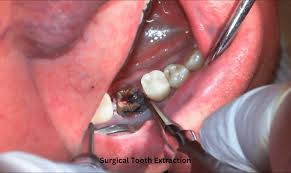
Surgical Tooth Extraction
Sometimes a tooth cannot be removed with a simple pull.
This may happen if the tooth is:
- Broken below the gum line
- Severely damaged
- Deeply rooted
- Impacted
In these cases, surgical extraction is usually the safest option.
Dental Implant Surgery
Dental implants replace missing teeth with artificial tooth roots placed into the jawbone.
Benefits include:
- Natural appearance
- Better chewing ability
- Long-term durability
- Prevention of bone loss
For many people, implants restore both confidence and comfort.
Root-End Surgery (Apicoectomy)
If a root canal treatment fails, an oral surgeon may remove the infected root tip to save the tooth.
This procedure helps prevent the need for extraction.
Gum and Bone Surgery
Some tooth surgeries involve repairing damaged gum tissue or rebuilding bone before implants.
These procedures improve oral health and support future dental treatments.
Signs You May Need Tooth Surgery
Dental problems don’t always go away on their own.
You may need tooth surgery if you experience:
- Severe tooth pain
- Swollen gums
- Loose teeth
- Impacted wisdom teeth
- Difficulty chewing
- Persistent infections
- Broken teeth
- Jaw discomfort
Early treatment often prevents bigger problems later.
What Happens During Tooth Surgery?
Every procedure is slightly different, but most tooth surgeries follow similar steps.
Step 1: Consultation and X-Rays
Your dentist examines the area and takes X-rays to understand the condition of the tooth and surrounding bone.
Step 2: Anesthesia or Sedation
The area is numbed using local anesthesia.
Some patients may also choose:
- IV sedation
- Nitrous oxide
- General anesthesia
This helps reduce anxiety and discomfort.
Step 3: The Procedure
The surgeon performs the necessary treatment, such as extraction, implant placement, or gum repair.
Step 4: Stitches and Recovery Instructions
If needed, stitches are placed and aftercare instructions are provided.
Is Tooth Surgery Painful?
This is one of the biggest concerns for patients.
The procedure itself is usually not painful because the area is fully numbed. You may feel pressure or movement, but sharp pain is uncommon.
After surgery, mild soreness and swelling are normal for a few days.
Most patients manage discomfort with:
- Pain medication
- Ice packs
- Rest
- Soft foods
Honestly, many people say the anticipation feels worse than the actual surgery.
Recovery After Tooth Surgery
Healing time depends on the type of procedure and your overall health.
Minor surgeries may heal within a few days, while more complex treatments can take several weeks.
Common Recovery Symptoms
You may notice:
- Swelling
- Mild bleeding
- Jaw stiffness
- Tenderness
- Temporary difficulty chewing
These symptoms usually improve gradually.
Tips for Faster Recovery
Rest and Avoid Heavy Activity
Take it easy during the first 24–48 hours.
Your body heals faster when it’s not under physical stress.
Eat Soft Foods
Stick to foods like:
- Yogurt
- Soup
- Smoothies
- Mashed potatoes
- Scrambled eggs
Avoid crunchy or spicy foods during healing.
Use Ice Packs
Ice can help reduce swelling and discomfort, especially during the first two days.
Keep the Area Clean
Follow your dentist’s cleaning instructions carefully to prevent infection.
Avoid Smoking and Straws
Smoking and suction can interfere with healing and increase the risk of dry socket.
Risks and Possible Complications
Tooth surgery is generally very safe, but every procedure carries some risk.
Possible complications include:
- Infection
- Bleeding
- Swelling
- Dry socket
- Temporary numbness
Choosing an experienced dental professional greatly lowers these risks.
How Much Does Tooth Surgery Cost?
Costs vary depending on the type of procedure and complexity.
Estimated Price Range
| Procedure | Average Cost |
| Simple extraction | $100–$300 |
| Surgical extraction | $150–$600 |
| Dental implant | $2,000–$5,000 |
| Wisdom tooth surgery | $250–$600 |
| Bone grafting | $300–$1,500 |
Insurance may cover part of the cost if treatment is medically necessary.
Benefits of Tooth Surgery
While surgery may feel stressful at first, it often improves quality of life significantly.
Benefits include:
- Relief from pain
- Better oral health
- Improved chewing ability
- Reduced infection risk
- Better smile appearance
- Increased confidence
Sometimes fixing one painful tooth can completely change daily comfort.
Internal Linking Suggestions
You can also read:
- “How to Heal Faster After Tooth Extraction”
- “Dental Implants vs Dentures”
- “Signs Your Wisdom Teeth Need Removal”
- “Best Soft Foods After Oral Surgery”
Recommended External Authority Sources
For trusted dental information, readers can explore:
- American Dental Association (ADA)
- Cleveland Clinic
Conclusion
Tooth surgery may sound intimidating, but modern dental care has made these procedures safer, quicker, and more comfortable than ever before. Whether you need a surgical extraction, implant, or wisdom tooth removal, early treatment can help prevent pain and protect your long-term oral health.
The best approach is simple: don’t ignore symptoms and don’t let fear delay treatment. Most patients recover smoothly with proper aftercare and quickly return to normal life.
A healthier smile often starts with taking action before small dental problems become major ones.
FAQs
How long does tooth surgery take?
Most procedures take between 30 minutes and one hour, depending on complexity.
Can I drive after tooth surgery?
If you receive sedation or general anesthesia, you’ll usually need someone to drive you home.
What can I eat after tooth surgery?
Soft foods like soup, yogurt, smoothies, and mashed potatoes are recommended during recovery.
How long does swelling last after tooth surgery?
Swelling often peaks within 48 hours and improves gradually over several days.
Is tooth surgery covered by insurance?
Some dental insurance plans cover part of the procedure, especially if it’s medically necessary.
