

Aerosol Semi Automatic Machine vs Fully Automatic: UAE Buyer’s Guide
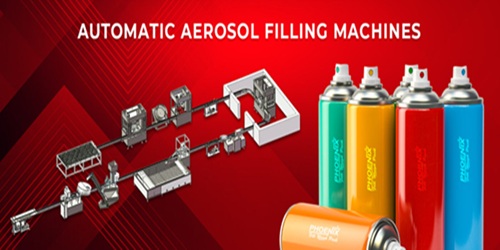
Aerosol filling looks like a single manufacturing step from the outside — product goes in, can gets sealed, done. In practice it’s a sequence of distinct operations (filling, valve placement, crimping, gassing, capping), and the decision that shapes everything else is whether that sequence runs on an aerosol semi automatic machine or a fully automatic aerosol filling machine line. Getting that choice wrong means either overpaying for automation a production volume doesn’t justify, or bottlenecking a growing line on a manual setup it’s already outgrown.
This guide breaks down what separates the two setups, why crimping — not vacuum sealing — is the operation that actually determines an aerosol can’s integrity, and how to decide which line fits an actual production volume.
What an Aerosol Semi Automatic Machine Actually Does
An aerosol semi automatic machine automates the precision-critical steps — dosing, valve placement, crimping, gassing — while an operator handles can loading, positioning, and unloading manually between stations. That combination makes it the right fit for:
- Lower-volume production runs where full automation’s cost isn’t justified by throughput
- Private-label and contract manufacturers running frequent product changeovers
- New product development and pilot batches before committing to a fully automated line
- Manufacturers testing new markets before scaling production capacity
The trade-off is straightforward: a semi automatic setup costs less to acquire and gives more flexibility to switch formulations or can sizes between runs, at the cost of lower cans-per-hour throughput than a fully automated line.
Automatic Aerosol Filling Machine Line: Full-Sequence Automation
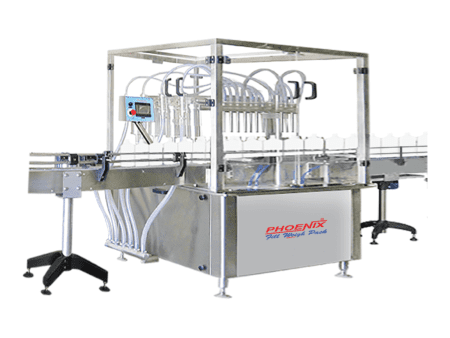
An automatic aerosol filing machine line — the fully automated version of the same process — links every station into one continuous sequence: multi-nozzle liquid filling (commonly 12-nozzle configurations for high-volume runs), automatic valve placing and crimping, automatic pucking, a water bath leak-test stage, actuator and inner placement, and automatic capping, all running without an operator touching individual cans between steps.
This is the setup for manufacturers producing deodorants, spray paints, cleaning agents, and personal care aerosols at scale, where consistent fill levels and dosing accuracy across thousands of cans per hour matter more than changeover flexibility. The production rates on a fully automatic line scale from several hundred cans per hour on smaller configurations up into the thousands on larger ones, depending on the specific machine configuration and product.
Crimping Machine: The Step That Actually Seals the Can
The detail most buyers gloss over is that an aerosol can isn’t sealed by pressure or adhesive — it’s sealed by crimping. A crimping machine mechanically folds the can’s collar around the valve’s mounting cup, creating the pressure-tight, permanent seal that keeps the propellant contained for the product’s shelf life. Get the crimp specification wrong — wrong pressure, wrong tooling for the valve type — and the result is either a seal that fails under internal pressure or one so tight it damages the valve mechanism.
This is why an automatic valve placing and crimping machine is treated as a distinct, precision-critical station on both semi and fully automatic lines rather than a generic finishing step: the crimp is what makes an aerosol can safe to pressurize, transport, and use.
Where a Vacuum Sealer Fits — and Where It Doesn’t
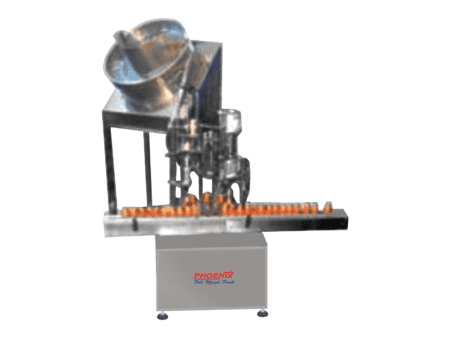
It’s worth clearing up a common point of confusion: a vacuum sealer and an aerosol crimping machine solve different problems and aren’t interchangeable. Vacuum sealing removes air from a flexible package — pouches, bags, some food and cosmetic formats — to extend shelf life or prevent oxidation. An aerosol can isn’t vacuum-sealed at all; it’s crimp-sealed around a valve that becomes the product’s only opening, with the propellant itself providing the internal pressure rather than a vacuum being drawn.
For manufacturers running both aerosol and non-aerosol product lines — a cosmetics or personal care brand packaging aerosol deodorants alongside pouch-packed refills, for example — vacuum sealing equipment sits in a separate part of the packaging line entirely, specified for the flexible-format products rather than the pressurized cans.
Choosing Between Semi and Fully Automatic
The decision usually comes down to three factors rather than automation for its own sake:
- Production volume — hundreds of cans per hour points toward semi automatic; thousands per hour justifies full automation.
- Product changeover frequency — frequent formulation or can-size changes favor the flexibility of a semi automatic setup over a line optimized for one continuous run.
- Capital vs. labor cost balance — a fully automatic line reduces per-unit labor cost at scale but requires a larger upfront investment than a semi automatic setup.
Many manufacturers start on a semi automatic aerosol machine to validate product-market fit and production process, then move to a fully automatic line once volume justifies the capital outlay — rather than over-investing in automation before demand is proven.
About the author: This article was contributed by Phoenix Dison Tec LLC, a Sharjah-based manufacturer with over two decades of experience in aerosol filling technology, supplying both aerosol semi automatic machines and fully automatic aerosol filling lines — including valve placing and crimping machines, gassing units, and automatic capping equipment — for personal care, automotive, cosmetics, and household product manufacturers across the UAE.
