

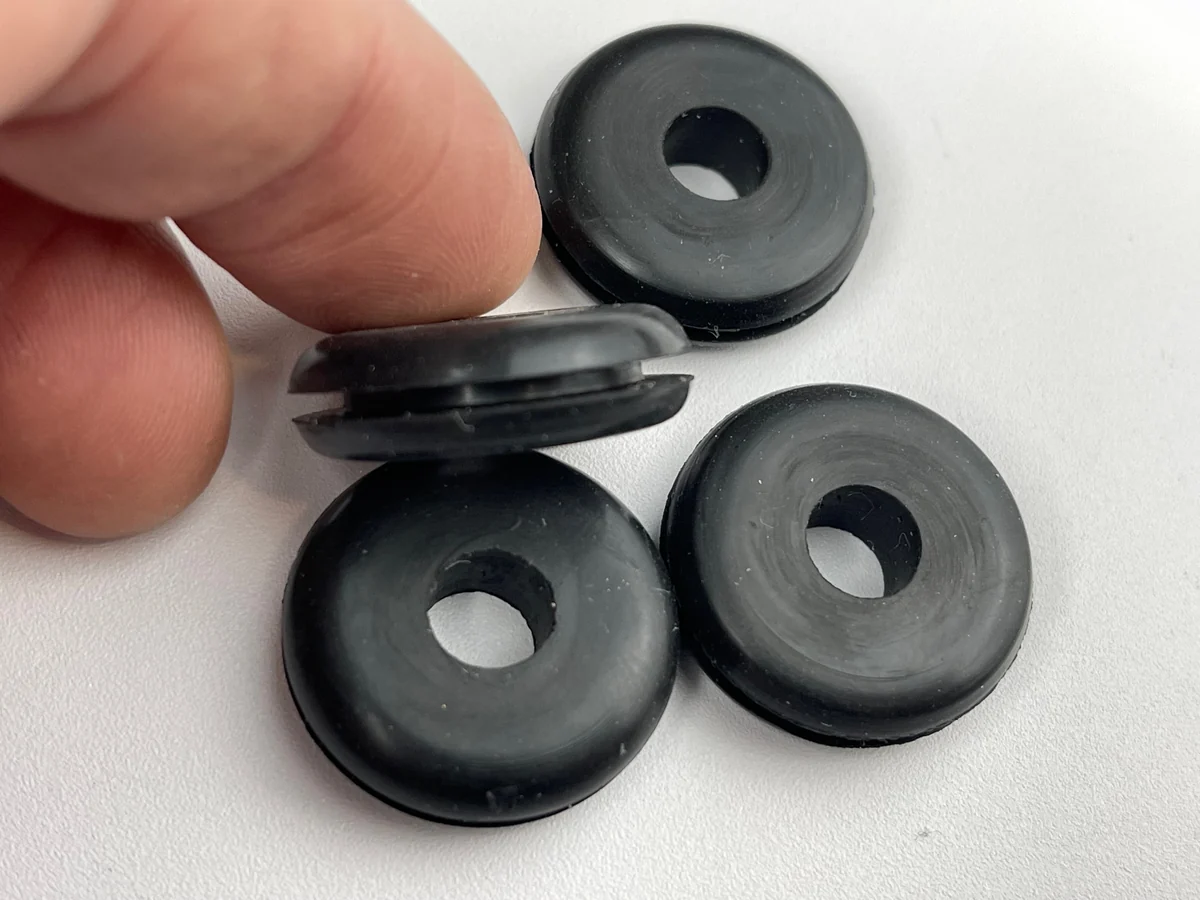
Vibration Damping Pads: A Practical Guide to Reducing Noise and Protecting Equipment
Unwanted vibration is one of the most common causes of equipment wear, excessive noise, and premature mechanical failure. Whether you operate industrial machinery, HVAC systems, compressors, or workshop equipment, controlling vibration improves performance and extends service life. Choosing the right vibration damping pads can help you better understand how vibration isolation works and why selecting the proper material matters for long-term reliability.
Many facility managers and maintenance professionals focus on repairing damaged components while overlooking the root cause of the problem. Excessive vibration places constant stress on fasteners, bearings, motors, and surrounding structures. Over time, this leads to higher maintenance costs, lower efficiency, and uncomfortable working environments.
Fortunately, vibration damping pads offer a simple yet highly effective solution. When properly selected and installed, they absorb unwanted energy, reduce transmitted vibration, and help machinery operate more smoothly. Understanding how they work allows you to make better maintenance decisions and improve equipment performance.
Understanding Vibration Damping Pads
Vibration damping pads are specially engineered materials placed beneath machinery or equipment to reduce the transfer of vibration into surrounding floors, structures, or supporting frames. Unlike rigid mounting methods, these pads absorb a portion of the mechanical energy before it spreads throughout the building.
Different materials provide different levels of damping performance. Common options include:
- Rubber pads for general-purpose machinery
- Neoprene pads for moisture and oil resistance
- Cork-rubber composites for balanced vibration isolation
- Polyurethane materials for heavy-duty industrial applications
- Silicone-based pads for environments with extreme temperatures
The ideal material depends on equipment weight, operating frequency, environmental conditions, and expected load distribution.
Proper vibration control provides several benefits:
- Lower operating noise
- Reduced structural vibration
- Longer equipment lifespan
- Improved operator comfort
- Reduced maintenance costs
- Better equipment stability
These advantages make vibration damping pads valuable across manufacturing plants, commercial buildings, workshops, laboratories, and residential mechanical rooms.
Step-by-Step Guide to Choosing the Right Vibration Damping Pads
Selecting the correct pad involves more than choosing the thickest material available. A systematic approach delivers much better long-term results.
Evaluate Equipment Weight
Begin by determining the total operating weight of the equipment, including fluids, accessories, and normal operating loads. Pads must support this weight evenly without excessive compression.
For example, a small air compressor requires a completely different pad than a large industrial stamping press.
Identify the Source of Vibration
Different machines generate vibration differently.
Common vibration sources include:
- Rotating motors
- Pumps
- Compressors
- Fans
- HVAC systems
- CNC machinery
- Generators
Understanding the vibration source helps determine the appropriate damping characteristics.
Consider Operating Environment
Environmental conditions significantly influence pad performance.
Ask questions such as:
- Will the equipment be exposed to oil?
- Is moisture present?
- Are chemicals involved?
- Will temperatures fluctuate significantly?
Selecting a material resistant to these conditions prevents premature deterioration.
Match Load Distribution
Pads should distribute weight evenly across all support points.
Uneven loading creates additional stress that may reduce damping performance and increase vibration rather than reduce it.
Verify Installation Surface
Even the best vibration damping pad performs poorly on an unstable foundation.
Before installation:
- Clean the surface
- Remove debris
- Ensure level mounting
- Inspect for cracks or structural damage
Proper preparation allows the pad to perform as designed.
Common Mistakes When Using Vibration Damping Pads
Many vibration problems persist because of installation or selection errors rather than product quality.
One common mistake is choosing pads based only on thickness. Thicker does not always mean better. Material stiffness and load rating play a much larger role in overall performance.
Another frequent issue involves ignoring equipment weight. Overloaded pads compress excessively, reducing their ability to absorb vibration effectively.
Incorrect placement also creates problems. Installing pads unevenly causes machinery to tilt, increasing mechanical stress and creating new vibration patterns.
Maintenance is another overlooked factor. Pads naturally age over time due to continuous compression, environmental exposure, and mechanical fatigue. Periodic inspection helps identify cracking, hardening, or permanent deformation before equipment performance declines.
Finally, some facilities attempt to solve severe vibration problems using pads alone. If vibration originates from bearing failure, shaft misalignment, rotor imbalance, or loose foundations, those mechanical issues should be corrected first. Damping pads work best as part of a complete vibration management strategy.
Practical Tips from Industry Experience
Maintenance professionals often achieve the best results by combining vibration damping pads with routine preventive maintenance.
Regular vibration monitoring helps detect developing problems before failures occur. Even basic handheld vibration meters can identify abnormal operating conditions that require attention.
During equipment installation, avoid overtightening mounting bolts. Excessive bolt tension may bypass part of the pad’s isolation capability by creating rigid contact between machinery and its supporting structure.
Whenever possible, inspect pads during scheduled maintenance shutdowns. Look for signs such as uneven compression, cracking, oil contamination, or material separation. Replacing worn pads before complete failure minimizes downtime.
For heavy industrial equipment, always verify that the load is evenly distributed across every mounting point. Unequal loading shortens pad life and reduces isolation effectiveness.
In commercial HVAC applications, properly selected damping pads often reduce noticeable building vibration transmitted through floors and walls. This creates quieter indoor environments while helping protect surrounding building components.
Manufacturing facilities frequently benefit from documenting vibration levels before and after installation. Measuring performance improvements provides valuable data for future maintenance planning and equipment upgrades.
If machinery operates continuously, consider using higher-quality materials designed for long-term compression resistance. While initial costs may be higher, improved durability often lowers overall maintenance expenses throughout the equipment’s operating life.
Finally, remember that vibration control should be viewed as an ongoing maintenance practice rather than a one-time installation. Regular inspections, proper equipment alignment, and timely component replacement all contribute to achieving the maximum benefit from vibration damping pads.
Conclusion
Vibration may seem like a minor operational issue, but its long-term effects can significantly impact equipment reliability, maintenance costs, workplace comfort, and overall productivity. Properly selected vibration damping pads reduce unwanted movement, protect machinery, minimize structural vibration, and improve system performance across a wide range of applications.
By evaluating equipment weight, understanding vibration sources, selecting appropriate materials, following correct installation practices, and performing routine inspections, maintenance teams can maximize the effectiveness of vibration control solutions. A thoughtful approach not only extends equipment life but also creates safer, quieter, and more efficient working environments.
