

Ball Lock Pins: A Reliable Fastening Solution for Safe and Efficient Equipment
Selecting the right fastening component can make the difference between a smooth operation and costly downtime. Whether you’re working with industrial machinery, agricultural equipment, aerospace assemblies, or custom fabrication projects, ball lock pins are widely recognized for providing a secure yet removable connection. Understanding how they work helps engineers, technicians, and maintenance professionals choose the right solution for demanding applications.
Unlike permanent fasteners, ball lock pins allow quick installation and removal without sacrificing holding strength. This combination of convenience and reliability has made them a preferred choice in industries where equipment must be assembled, adjusted, or serviced regularly. Learning when and how to use these pins correctly improves both productivity and workplace safety.
Understanding Ball Lock Pins and How They Work
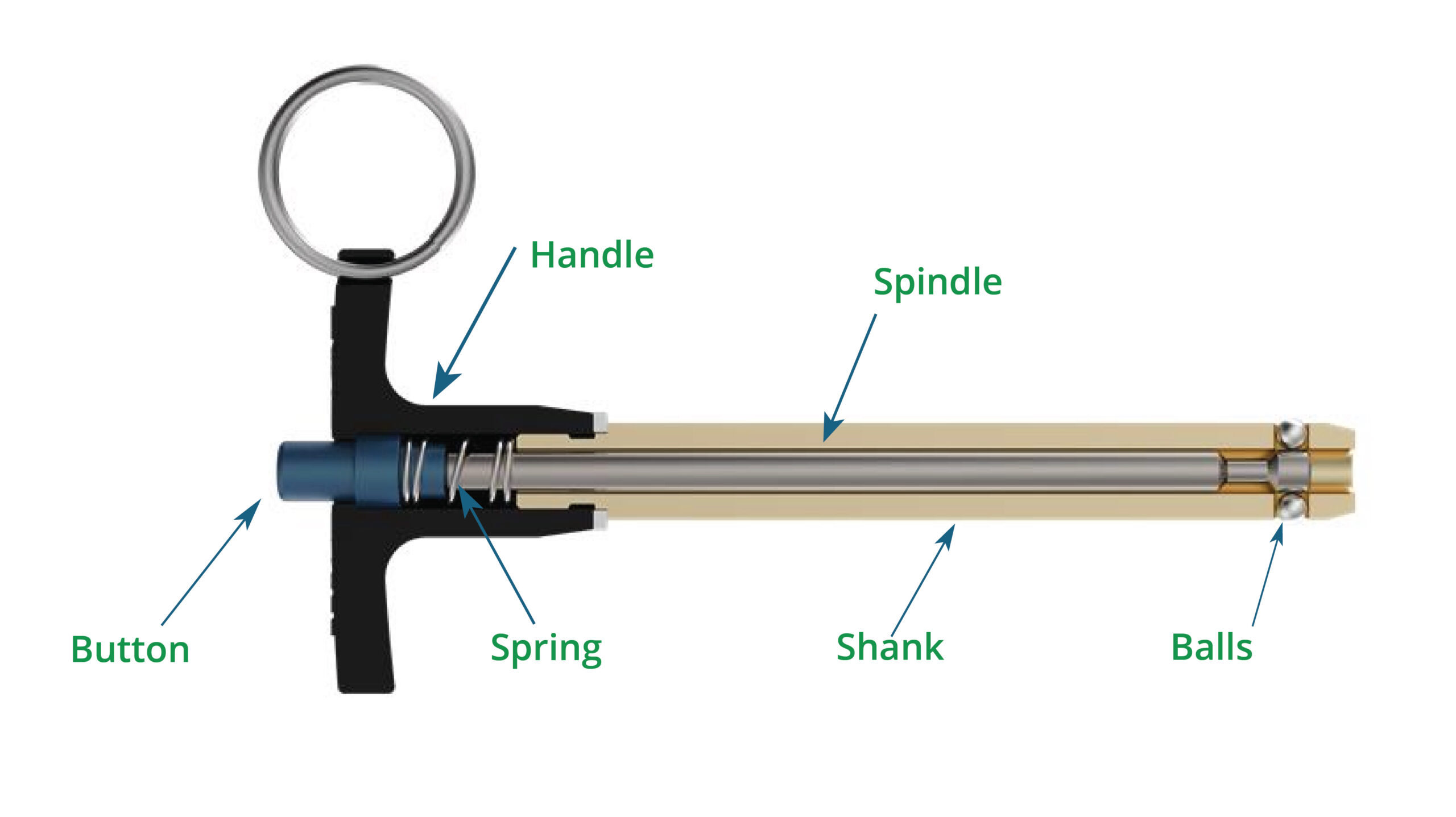
Ball lock pins are quick-release fastening devices designed to join two or more components securely. Their defining feature is the spring-loaded locking balls located near the tip of the pin. When the push button on the handle is pressed, the locking balls retract into the shaft, allowing the pin to slide through aligned holes. Releasing the button causes the balls to expand, locking the pin in place.
This simple yet effective mechanism eliminates the need for nuts, bolts, cotter pins, or specialized tools during installation.
Common industries that rely on ball lock pins include:
- Manufacturing
- Aerospace
- Construction
- Marine applications
- Agricultural machinery
- Medical equipment
- Automotive assembly
They are commonly manufactured from stainless steel or hardened alloy steel to withstand corrosion, vibration, and repeated use.
Step-by-Step Guide to Choosing the Right Ball Lock Pin
Choosing the correct pin involves more than selecting the right diameter. Every application has unique load requirements, environmental conditions, and operational demands.
Evaluate the Load Requirements
Start by determining whether the pin will experience shear loads, tensile loads, or both. A pin that performs well under light-duty conditions may fail prematurely when exposed to heavy mechanical stress.
Always consult engineering load ratings before selecting a pin for structural applications.
Measure the Hole Diameter Accurately
The pin diameter should closely match the hole size. Excessive clearance creates unwanted movement, while an oversized pin may not fit properly.
Using calibrated measuring tools ensures an accurate fit and prevents unnecessary wear.
Select the Correct Grip Length
Grip length refers to the usable section between the locking balls and the underside of the handle.
If the grip length is too short, the locking balls may not fully engage. If it is too long, the assembly may shift during operation.
Measure the total material thickness before selecting the appropriate grip length.
Consider Environmental Conditions
Different environments demand different materials.
For example:
- Stainless steel performs well in marine environments.
- Hardened alloy steel offers excellent strength for industrial machinery.
- Corrosion-resistant finishes help extend service life in chemical processing facilities.
Selecting the proper material significantly reduces maintenance requirements.
Verify Handle Style
Ball lock pins are available with several handle designs, including:
- Button handles
- Ring handles
- T-handles
- L-handles
Choose a style that provides comfortable operation while fitting within available workspace.
Real-World Applications of Ball Lock Pins
Ball lock pins solve practical problems across many industries because they simplify maintenance while maintaining dependable locking performance.
In manufacturing plants, technicians frequently remove machine guards for inspections. Ball lock pins allow quick removal and secure reinstallation without searching for separate hardware.
Agricultural equipment often requires attachments to be swapped throughout the day. Farmers can replace implements quickly while reducing equipment downtime.
Aircraft maintenance crews rely on precision fastening components that allow repeated inspections without damaging surrounding structures. Ball lock pins provide consistent retention while supporting regular maintenance schedules.
Even recreational products such as trailers, folding equipment, and portable staging systems benefit from their quick-release design.
Common Mistakes When Using Ball Lock Pins
Although installation appears straightforward, several mistakes can reduce performance or create safety concerns.
One common issue is selecting a pin based solely on diameter while ignoring grip length. An improperly sized pin may appear secure but fail under load.
Another mistake involves exceeding the manufacturer’s rated capacity. Ball lock pins are engineered for specific working loads, and overloading them increases the risk of failure.
Many users also neglect routine inspection. Dirt, corrosion, or damaged locking balls can prevent proper engagement.
Improper hole alignment presents another challenge. Forcing a pin through misaligned holes can damage both the fastener and the connected components.
Finally, using standard steel pins in corrosive environments often leads to premature rust, making removal difficult during maintenance.
Expert Tips for Long-Term Performance
Proper handling and regular maintenance significantly extend the service life of ball lock pins.
Keep pins clean after use, especially in dusty or muddy environments. Removing debris prevents the locking mechanism from sticking.
Apply a light lubricant to moving components when recommended by the manufacturer. This helps maintain smooth button operation without attracting excessive dirt.
Inspect the locking balls before each installation. They should extend evenly and move freely when the button is pressed.
Store pins in clean, dry containers to reduce contamination and prevent accidental damage.
Whenever equipment undergoes scheduled maintenance, inspect the mating holes for wear. Enlarged holes reduce holding performance and may require replacement components.
Label different pin sizes within maintenance kits to help technicians quickly identify the correct fastener during repairs.
If equipment experiences constant vibration, include regular inspections in preventive maintenance schedules to verify secure engagement.
Conclusion
Ball lock pins combine speed, reliability, and ease of use, making them one of the most practical fastening solutions across numerous industries. Their quick-release mechanism simplifies maintenance while maintaining secure retention under demanding conditions. By selecting the correct size, material, grip length, and handle style, users can improve equipment reliability, reduce downtime, and enhance workplace safety. Regular inspection and proper maintenance ensure these versatile fasteners continue delivering dependable performance for years to come.
